Practical Steps for Addiction Recovery
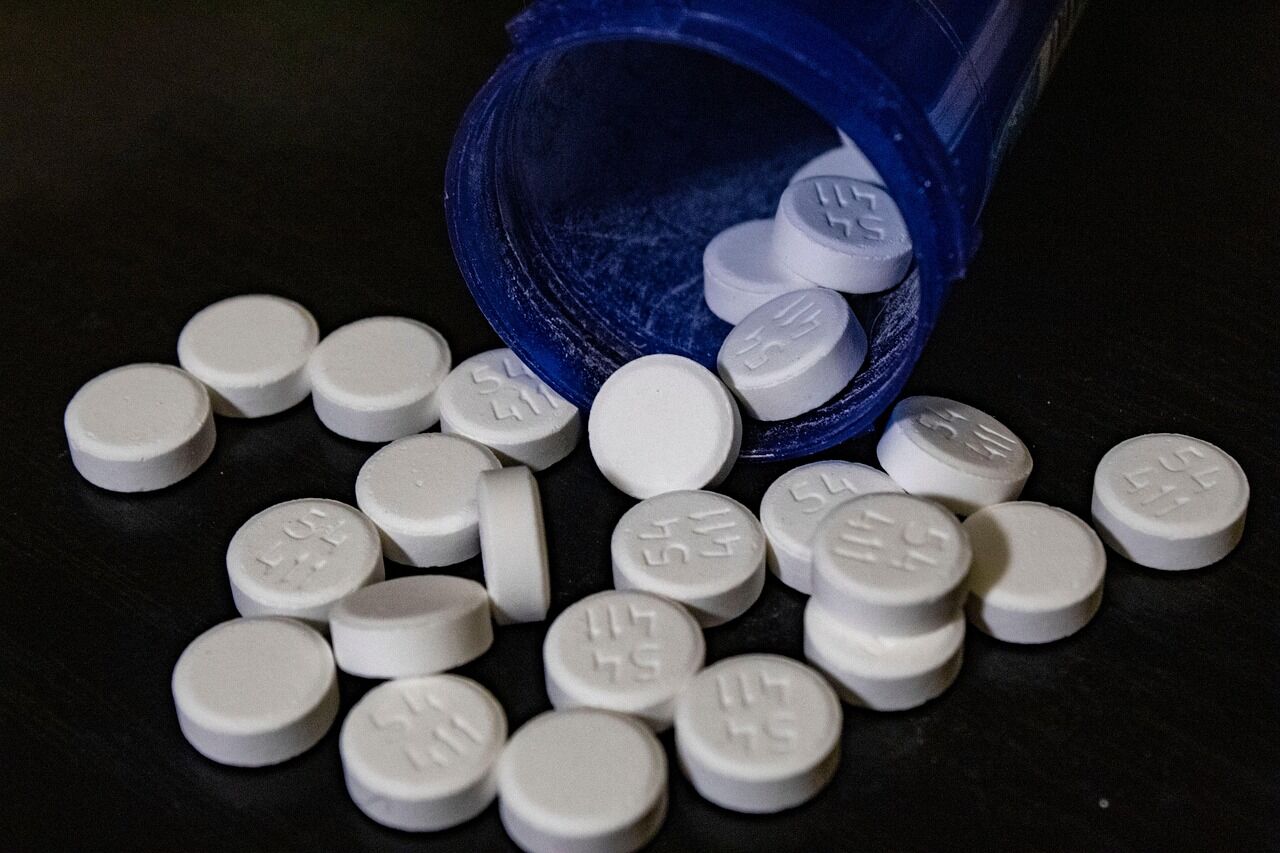
It's incredibly brave to start your journey toward addiction recovery. It’s a path that leads to a healthier, happier life, allowing you to reclaim your well-being and discover your true potential. This guide is designed to be a friendly, knowledgeable companion, offering practical tools and strategies to help you maintain progress and cultivate a fulfilling lifestyle. We’ll explore various aspects of recovery, from understanding triggers to building strong support systems and embracing self-care.
Here’s a roadmap for our journey together:
Table of Contents
- Introduction: Setting the Stage for Recovery
- Understanding Your Triggers: A Crucial First Step
- Building a Strong Support System: You're Not Alone
- Developing Healthy Coping Mechanisms: Navigating Challenges
- The Power of Routine and Structure: Anchoring Your Day
- Practicing Mindfulness and Self-Care: Nurturing Your Well-being
- Setting Realistic Goals: Celebrating Small Victories
- Engaging in Healthy Activities: Rediscovering Joy
- Relapse Prevention Strategies: Staying One Step Ahead
- Continuous Learning and Growth: A Lifelong Journey
- Frequently Asked Questions (FAQ)
- Key Takeaways
1. Introduction: Setting the Stage for Recovery
Addiction recovery is a deeply personal and continuous process of growth and healing. It involves much more than simply abstaining from substances; it's about transforming your entire lifestyle, thought patterns, and emotional responses. This journey requires dedication, patience, and a willingness to embrace change, but the rewards—a life of freedom, purpose, and genuine well-being—are immeasurable. It's about building a new foundation for your life, one that is strong, stable, and capable of supporting your dreams.
Think of recovery as building a sturdy new foundation for your life, brick by brick. This foundation isn't just about removing old, unhelpful habits; it's about actively replacing them with new, empowering ones that contribute to your overall health and happiness. Each intentional action you take, each commitment to self-improvement, adds another layer of strength to this new structure. It's a proactive approach to creating a life that truly serves you and your aspirations.
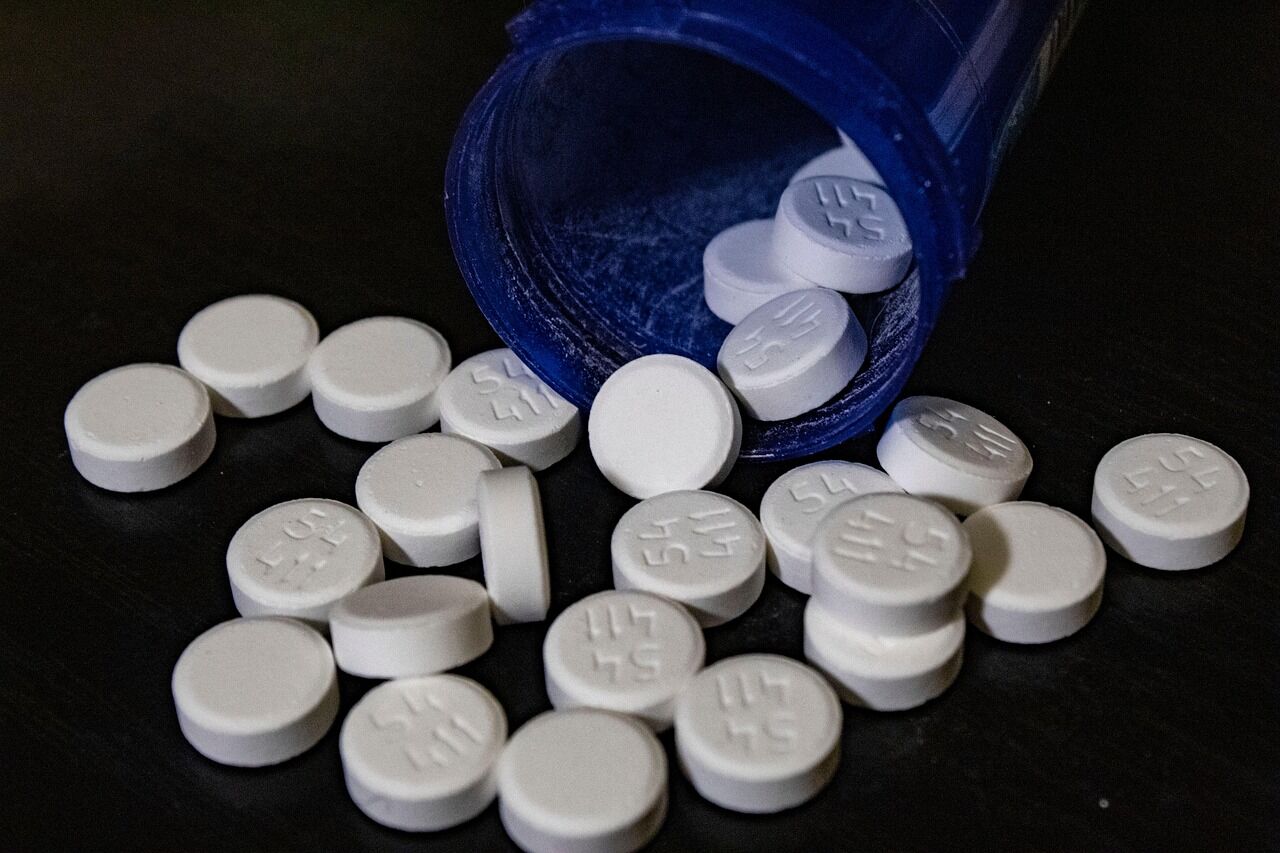
It's important to approach recovery with self-compassion and understanding. There will be good days and challenging days, moments of triumph and moments of struggle. This is a normal part of any significant life change. The key is to view setbacks not as failures, but as invaluable opportunities to learn, refine your strategies, and deepen your understanding of yourself. Every step forward, no matter how small, is a victory worth acknowledging and celebrating.
This guide is here to equip you with practical, actionable steps that you can integrate into your daily life to strengthen your recovery. We'll explore various tools and techniques that have proven effective for many individuals on this path. Remember, your journey is unique, and we encourage you to discover what resonates most with you, tailoring these strategies to fit your personal needs and preferences. You have the strength within you to build the life you deserve.
Identifying and understanding your triggers is absolutely fundamental to successful addiction recovery. Triggers are anything—be it people, places, things, emotions, or even specific times of day—that can incite cravings or strong urges to use substances. Recognizing these powerful cues empowers you to develop effective strategies to either avoid them or manage them skillfully when avoidance isn't possible, putting you firmly in control of your recovery.
Many triggers are environmental, meaning they are external cues from your surroundings that can spark a craving. This could include revisiting old hangouts, spending time with certain friends who are still using, or even taking specific routes you used to frequent while actively using. A crucial part of early recovery involves actively changing your environment and meticulously mapping out and mitigating these external risks. This proactive approach helps create a safer space for your sobriety to flourish.
Internal triggers, such as intense stress, anxiety, persistent boredom, profound loneliness, or even depression, are equally powerful and often more challenging to identify and address. These emotional states can easily lead to negative self-talk and a strong desire to escape uncomfortable feelings, pushing you back towards old coping mechanisms. Learning to acknowledge these feelings without judgment and developing healthy, constructive responses to them is a critical skill that takes time and practice to master.

The process of uncovering your triggers takes honest self-reflection, patience, and often some external support. It may involve detailed journaling, consistent therapy sessions, or open discussions with trusted members of your support network. Once you've identified your triggers, you can begin to build a robust plan to either avoid these situations or, when avoidance isn't an option, equip yourself with effective coping mechanisms and support to navigate them safely. This awareness is your superpower in recovery.
You absolutely don't have to walk the path of recovery alone; in fact, trying to do so can make the journey much harder. Building a robust support system is one of the most vital tools for maintaining long-term sobriety. This network provides crucial encouragement, accountability, and understanding, all of which are essential for navigating the inevitable challenges and triumphs of recovery. Knowing you have people in your corner can make all the difference.
Your support system can comprise various individuals and groups, each offering a unique form of assistance. It often includes supportive family members and friends who are understanding, trustworthy, and genuinely committed to your sober lifestyle. Forging healthy boundaries and rebuilding damaged relationships through open communication and, if necessary, family therapy can be a crucial and healing part of this process. These personal connections form a bedrock of emotional stability.
Peer support groups are another incredibly valuable component. Organizations such as 12-step fellowships like Alcoholics Anonymous (AA) and Narcotics Anonymous (NA), or alternative programs like SMART Recovery, offer safe, confidential spaces for shared experiences and practical guidance from those who truly understand. Attending regular meetings, sharing your story, and connecting with a sponsor or peer mentor can provide invaluable emotional support, a sense of belonging, and proven strategies for staying sober.
Professional support, including therapists, counselors, and recovery coaches, is also an integral part of a comprehensive support system. These skilled professionals can offer evidence-based guidance, help you develop personalized coping strategies, and address any underlying mental health issues that may contribute to addiction. Remember, a balanced support system ideally includes both personal connections and professional expertise, as family alone cannot always replace clinical care and specialized guidance.
Addiction often serves as an unhealthy, albeit powerful, coping mechanism for stress, difficult emotions, or unresolved trauma. In recovery, it's absolutely crucial to replace these destructive patterns with healthy, sustainable strategies for managing life's inevitable challenges. Developing these new skills is a continuous process that not only strengthens your ability to resist temptations but also empowers you to build a fulfilling and joyful life without reliance on substances.
One of the most effective ways to cope is by actively learning to manage stress. Stress is a notorious disruptor of recovery and can significantly increase the risk of relapse. Incorporating relaxation techniques such as yoga, deep breathing exercises, and meditation into your daily routine can profoundly help quiet your mind and reduce stress levels. Learning to intentionally slow your heart rate and breathing can be a powerful, immediate tool in moments of high anxiety or intense stress.
Other practical coping skills involve redirecting your energy and attention. Engaging in healthy hobbies, for instance, can transform boredom—a common trigger—into productive and enjoyable activities. When you feel triggered, actively distracting yourself with positive actions, like taking a brisk walk, listening to uplifting music, or calling a supportive friend, can help you "ride out" intense cravings until they subside. Improving sleep quality and maintaining an active lifestyle also contribute significantly to your overall emotional and physical resilience.
Cognitive Behavioral Therapy (CBT) is an evidence-based approach that can be incredibly helpful here. CBT helps individuals identify and change the negative thought patterns and behaviors that are often associated with substance use. By learning to challenge unhelpful beliefs and reframe your perspective, you can break the spiraling, self-defeating thoughts that often precede a relapse. This therapy provides concrete tools to reshape your thinking and reactions.
5. The Power of Routine and Structure: Anchoring Your Day
Establishing and maintaining a consistent daily routine is a remarkably powerful tool in addiction recovery. Structure and predictability provide a solid framework for rebuilding your life, offering a sense of stability and normalcy that may have been missing. A well-structured day can significantly enhance your ability to maintain sobriety by minimizing unexpected stressors and fostering a greater sense of self-control and emotional stability. It helps bring order to what might have once felt chaotic.
Your routine should be seen as a supportive roadmap for your day, not a rigid, restrictive schedule that feels like a burden. One of the key benefits is that it helps eliminate boredom, which can often be a potent precursor to relapse for many individuals. By consciously filling your day with positive, recovery-oriented activities, you actively create new, healthy habits that consistently reinforce your commitment to a sober lifestyle, making it easier to stick to your goals.
Key elements of an effective daily routine often include simple yet impactful actions. Waking up and going to bed at consistent times helps regulate your body's natural rhythms. Planning structured meals throughout the day ensures proper nutrition and regular energy levels. Incorporating regular physical exercise, even a short walk, provides an outlet for stress and boosts mood. Designating specific times for recovery meetings, therapy sessions, and personal development goals also provides essential anchors throughout your day.
Moreover, a structured routine helps you prioritize self-care, ensuring you intentionally allocate time for activities that truly promote your overall well-being. This consistent, predictable approach helps regulate mood, energy levels, and focus, all of which are crucial factors in a successful and sustainable recovery journey. It’s about building a predictable rhythm that supports your healing and growth, giving you a sense of control and purpose.
Mindfulness and self-care are absolutely indispensable practices for nurturing your well-being throughout addiction recovery. Mindfulness is the profound ability to be fully aware of the present moment, observing your thoughts, feelings, and bodily sensations without judgment. This practice is incredibly effective in managing cravings and triggers, as it teaches you to recognize intrusive thoughts and urges, allowing you to respond with conscious awareness rather than automatically reacting.
Mindfulness techniques are varied and accessible. Practices such as guided meditation, focused breathing exercises, and detailed body scans can significantly reduce stress, improve emotional regulation, and enhance your self-awareness. These practices can also help you accept and gently let go of the past, processing distressing emotions like guilt and shame without becoming overwhelmed by them. Regular practice strengthens these capacities over time, offering a sense of calm and clarity that facilitates lasting change and resilience.
Self-care extends beyond mindfulness to encompass all activities that proactively promote your physical, mental, and emotional health. This includes prioritizing proper sleep hygiene by maintaining a consistent sleep schedule and creating a restful environment. It means eating balanced, nutritious meals to fuel your body and mind, and engaging in regular physical activity. These fundamental elements work together to regulate stress hormones, improve mood, and rebuild physical health that may have deteriorated during active addiction.
True self-care also involves setting healthy boundaries, learning to confidently say "no" when necessary to protect your time and energy, and nurturing your spiritual side, whatever that may mean to you. It's about consciously making choices that actively support your recovery and overall happiness, recognizing that you are inherently worthy of care, attention, and compassion. Self-care isn't selfish; it's essential for sustained well-being.
7. Setting Realistic Goals: Celebrating Small Victories
Setting realistic and achievable goals is an incredibly powerful motivator in addiction recovery. It provides clear direction, a strong sense of purpose, and an invaluable feeling of accomplishment, all of which reinforce your commitment to a sober lifestyle. Instead of becoming overwhelmed by the perceived enormity of the entire recovery journey, the trick is to break it down into smaller, more manageable steps that feel attainable.
Start with daily or weekly targets that are within your immediate reach. As you successfully achieve these smaller objectives, you can gradually work towards bigger milestones. This incremental approach prevents you from feeling overwhelmed or defeated by the long road ahead, and it allows you to genuinely celebrate each accomplishment along the way. Each small victory builds crucial confidence, creates positive momentum, and makes the larger, long-term goals seem significantly more attainable.
Your goals can span various aspects of your life, encompassing personal development, professional aspirations, and health-related objectives. For example, a recovery goal might be to attend a specific number of support group meetings each week, to complete a daily meditation practice for 15 minutes, or to consistently engage in a new healthy hobby three times a week. These specific, measurable goals provide clear targets for your efforts.
Remember to be flexible with your goals. Life happens, and there may be times when you need to adjust your expectations or even temporarily pivot. The important thing is to maintain your underlying commitment to progress, not perfection. Regularly reviewing your goals, acknowledging how far you've come, and celebrating your achievements—no matter how small—can be an incredibly encouraging and sustaining practice on your recovery journey.
8. Engaging in Healthy Activities: Rediscovering Joy
Recovery is not just about what you're stopping; it's profoundly about what you're creating and building in your life. Engaging in healthy activities and consciously rediscovering passions can bring immense joy, foster deeper connections, and provide a strong sense of purpose, effectively shifting your focus away from cravings and negative thought patterns. This is your exciting chance to explore brand new interests or enthusiastically re-engage with old ones that you may have neglected or abandoned during active addiction.
Physical activity is a powerful, often overlooked, tool in recovery, offering numerous benefits for both mental and physical health. Exercise releases endorphins, which are natural mood boosters, and significantly helps reduce stress, anxiety, and symptoms of depression. Activities like walking, hiking in nature, practicing yoga, swimming, or joining a fitness class can provide a healthy outlet for energy, improve sleep, and contribute to a clearer, more focused mind, enhancing your overall well-being.
Beyond physical activity, consider exploring creative outlets that resonate with you. This could involve painting, drawing, learning to play a musical instrument, writing poetry or stories, or even engaging in crafts. Social activities such as volunteering for a cause you care about, joining local book clubs, or taking classes (like cooking or photography) can help you cultivate new, sober friendships and significantly reduce feelings of isolation, building a healthier social circle.
The key is to find activities that genuinely engage you, ground you in the present moment, and make life feel truly worthwhile. This process of rebuilding a life filled with healthy pursuits and meaningful experiences takes time, patience, and exploration, but it is a profoundly rewarding and absolutely essential part of achieving long-term, sustainable recovery and happiness.
Despite your best efforts, the path to recovery can have its challenges, and understanding relapse prevention is absolutely crucial for long-term sobriety. It's important to remember that a relapse is not a sign of personal failure, but rather an opportunity to learn, reassess, and adjust your strategies for future success. Developing a solid, proactive plan to prevent relapse involves both identifying your personal triggers and having well-thought-out strategies in place to address them.
One of the most important strategies is to proactively avoid high-risk situations whenever possible. This includes steering clear of people, places, and situations that were strongly associated with past substance use. Sometimes this means making significant changes, such as altering your daily route to avoid old hangouts, or establishing clear, firm boundaries with individuals who do not genuinely support your sobriety and recovery journey. Your safety and sobriety must be your top priority.

Developing strong, diversified coping skills is paramount for effectively managing triggers and cravings when they inevitably arise. Techniques like "riding the wave" of a craving—acknowledging its presence, observing it without judgment, and allowing it to pass naturally—can be incredibly effective. The SMART Recovery "DENTS" tool (Deny or Delay, Escape, Neutralize, Tasks, Swap) offers a practical, memorable framework for actively managing intense urges and cravings in the moment.
It is also vital to plan for unexpected challenges and to have an emergency contact list readily available. This list should include trusted individuals such as your sponsor, therapist, or supportive friends and family, whom you can reach out to immediately if you feel vulnerable or are struggling. Remember the helpful HALT acronym: don't let yourself get Hungry, Angry, Lonely, or Tired, as these four states can significantly increase your risk of relapse by lowering your defenses and resilience.
10. Continuous Learning and Growth: A Lifelong Journey
Addiction recovery is truly not a static destination; rather, it is a continuous, dynamic journey of learning, self-discovery, and profound personal growth. Embracing this lifelong process means remaining open to new insights about yourself and your recovery, adapting your strategies as needed to meet evolving challenges, and consistently working on yourself in various ways. The skills and tools you acquire are not static; they evolve and deepen as you do, transforming you along the way.
Regularly engaging with therapeutic resources is a cornerstone of continuous growth and maintaining long-term recovery. This can include ongoing individual counseling, where you have a confidential space to process emotions and develop advanced coping mechanisms, or participating in group therapy, which offers peer support and diverse perspectives. Family counseling can also be beneficial for healing relationships and addressing any emerging family dynamics that might impact your sobriety.
Education plays a significant and empowering role as well. Learning more about addiction itself, its underlying causes, and the science of recovery can empower you with invaluable knowledge and reduce feelings of shame or self-blame. Understanding the mechanisms of addiction helps demystify the process and validates your experiences. Many resources, including insightful books, specialized workshops, and credible online materials, are available to deepen your understanding and personal insight.
Finally, cultivate an unwavering attitude of self-compassion and patience. Celebrate your progress with genuine pride, learn constructively from your setbacks without harsh self-criticism, and always remember that every single day is a fresh opportunity for growth, improvement, and deepening your recovery. By committing to continuous learning and self-improvement, you solidify your foundation for a truly fulfilling, meaningful, and lasting recovery that enriches every aspect of your life.
11. Frequently Asked Questions (FAQ)
Q: How long does addiction recovery take? A: Addiction recovery is a lifelong journey, not a fixed timeframe. While initial treatment programs can range from a few days to several months, maintaining sobriety and building a healthy life is an ongoing process that requires continuous effort, commitment, and self-awareness.
Q: What if I experience a lapse or relapse? A: A lapse or relapse is not a sign of failure, but rather a common and often challenging part of the recovery process. It's crucial to reach out to your support system immediately, reassess your triggers and coping strategies, and re-engage with treatment or support groups as quickly as possible. View it as a learning opportunity.
Q: Can I recover from addiction without professional help? A: While some individuals may attempt recovery independently, professional help significantly increases the chances of long-term success. Addiction treatment programs offer evidence-based therapies, medical supervision during detox (if needed), and essential skill development for sustained sobriety.
Q: How do I find a good support group? A: There are many types of support groups available, including 12-step programs like Alcoholics Anonymous (AA) and Narcotics Anonymous (NA), and alternatives like SMART Recovery. You can find meetings in person or online. Trying different groups and meetings can help you find one that best fits your needs and personality.
Q: What are the benefits of mindfulness in recovery? A: Mindfulness helps in addiction recovery by promoting greater self-awareness, reducing the intensity of cravings, fostering better emotional regulation, and significantly decreasing stress and anxiety. It teaches you to observe thoughts and feelings without judgment, allowing you to respond more consciously and effectively to triggers.
12. Key Takeaways
- Holistic Transformation: Addiction recovery is a comprehensive and continuous process that extends far beyond merely abstaining from substances; it's about rebuilding a fulfilling and purposeful life from the ground up.
- Trigger Awareness: Understanding and proactively managing your personal triggers, both internal (emotions) and external (people, places), is absolutely fundamental to preventing relapse and maintaining long-term sobriety.
- Robust Support Network: Building a strong and diverse support system, including trusted family, friends, peer groups, and professionals, provides essential encouragement, accountability, and understanding throughout your journey.
- Healthy Coping Skills: Developing healthy coping mechanisms, such as stress management techniques, mindfulness practices, and constructive hobbies, replaces destructive patterns and empowers you to navigate life's challenges effectively.
- Structure and Routine: Establishing a consistent daily routine provides invaluable structure, stability, and purpose, helping to reduce boredom, minimize unexpected stressors, and promote overall well-being.
- Prioritize Self-Care: Prioritizing self-care, encompassing physical health (nutrition, exercise, sleep) and mental well-being (mindfulness, relaxation, boundaries), is crucial for sustained recovery and emotional resilience.
- Goal Setting & Celebration: Setting realistic, achievable goals and celebrating small victories along the way builds confidence, provides positive momentum, and reinforces your commitment to your recovery journey.
- Joyful Engagement: Actively engaging in healthy and meaningful activities helps you rediscover joy, develop new passions, and create a purpose-driven life that extends beyond the experience of addiction.
- Proactive Relapse Prevention: Having a proactive relapse prevention plan, including strategies for high-risk situations and an emergency contact list, prepares you for potential challenges and increases your chances of long-term success.
- Lifelong Growth: Embracing continuous learning and personal growth through ongoing therapy, education, and self-reflection ensures a dynamic, evolving, and deeply fulfilling recovery process.



Welcome to our Mental Health Social Network, a safe, supportive, and inclusive community dedicated to mental wellness, emotional wellbeing, and personal growth. Connect with people who understand your experiences, share your journey, and find encouragement from members who care.
Whether you're looking for support with anxiety, depression, stress, ADHD, PTSD, or simply seeking a positive space to discuss mental health, you'll find a welcoming community here. Join conversations, share stories, ask questions, discover helpful resources, and build meaningful connections with others on similar paths.
- Mental Health Awareness
- General Anxiety
- Phobias
- Agoraphobia
- Depression Support
- Seasonal Affective Disorder (SAD)
- Bipolar Disorder
- Recovery Stories
- Stress Management
- Emotional Abuse Recovery
- Childhood Trauma
- PTSD Support
- Trauma Recovery
- Autism Spectrum Discussions
- ADHD Support
- Dyspraxia
- Dyslexia
- Addiction Recovery
- Alcohol Recovery
- Drug Recovery
- Emotional Wellbeing
- Gambling Recovery
- General Mental Health
- Separation Anxiety
- Sleep Disorders
- Eating Disorders
- Mens Wellbeing
- Womens Wellbeing
- Teen Mental Health
- Workplace Mental Health
- Chronic Illness Support
 English
 Arabic
 French
 Spanish
 Portuguese
 Deutsch
 Turkish
 Dutch
Dutch
 Italiano
 Russian
 Romaian
 Portuguese (Brazil)
 Greek
Greek