Effective Techniques for Managing Anxiety and Stress
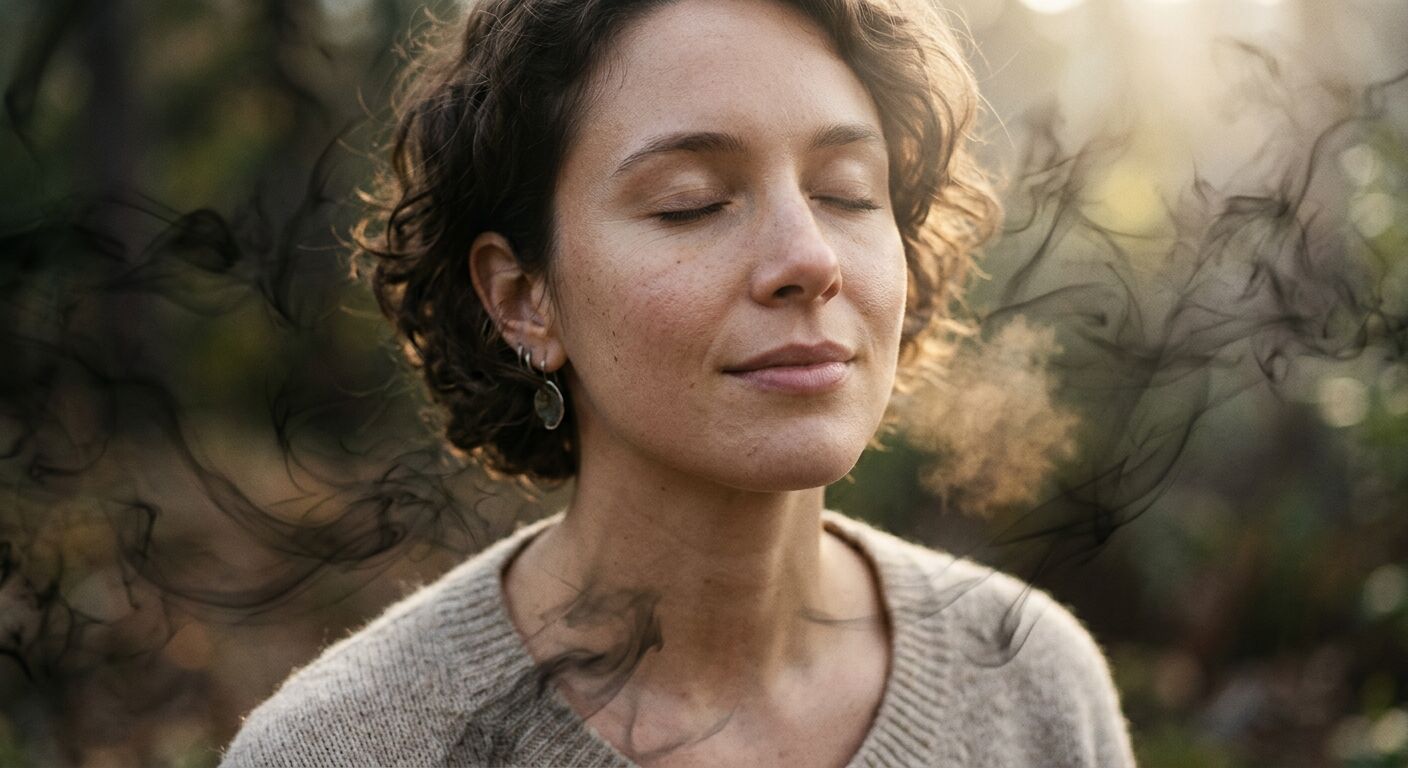
It's completely normal to feel overwhelmed sometimes. In our fast-paced world, anxiety and stress can become unwelcome companions, impacting our well-being and daily lives. But here's the good news: you have the power to manage these feelings effectively. This article is your friendly guide to understanding and implementing practical techniques that can bring more calm and balance into your life. We'll explore a variety of strategies, from mindful moments to simple self-care rituals, all designed to help you regain control and foster a greater sense of peace. Terms
Table of Contents
- Understanding Anxiety and Stress
- The Mind-Body Connection
- Mindfulness: Embracing the Present Moment
- Deep Breathing and Relaxation Techniques
- Progressive Muscle Relaxation: Releasing Tension
- The Power of Physical Activity
- Nourishing Your Body: Diet and Hydration
- Prioritizing Restful Sleep
- Cultivating Self-Care Practices
- Building a Strong Support System
- Effective Time Management and Setting Boundaries
- Challenging Negative Thought Patterns
- Frequently Asked Questions (FAQ)
- Key Takeaways
1. Understanding Anxiety and Stress
Anxiety and stress are two different, though often intertwined, experiences. Stress is typically a response to an external cause, such as a deadline at work or a difficult relationship. It's often short-term and resolves once the stressor is gone. Think of it as your body's natural "fight or flight" response, designed to help you cope with perceived threats. While acute stress can even be beneficial, motivating us to perform, chronic stress can have detrimental effects on both our physical and mental health. Workplace Mental Health
Anxiety, on the other hand, is often characterized by persistent, excessive worries that don't go away even in the absence of a direct stressor. It's a more generalized state of uneasiness, dread, or fear about future events or even everyday situations. While a certain level of anxiety is normal before a big event, for example, clinical anxiety involves intense, persistent, and excessive worry and fear about everyday situations. It can manifest as physical symptoms like a racing heart, sweating, and difficulty concentrating. Understanding the difference is the first step toward effective management. Mens Wellbeing
Both stress and anxiety can manifest in various ways. Physically, you might experience headaches, muscle tension, fatigue, digestive issues, or difficulty sleeping. Emotionally, you might feel irritable, restless, overwhelmed, or have difficulty concentrating. Cognitively, it can lead to constant worrying, difficulty making decisions, and negative thinking patterns. Recognizing these signs early is crucial for intervening before they escalate. Bulimia Nervosa
It's important to remember that experiencing stress and anxiety doesn't mean you're weak or failing. These are common human experiences, and many people grapple with them. The goal isn't to eliminate them entirely, as they serve protective functions, but rather to develop healthy coping mechanisms that allow you to manage them effectively and prevent them from dominating your life. Learning to navigate these feelings is a skill that can be developed over time with consistent effort and practice. Addiction Recovery Support Hope Resources
2. The Mind-Body Connection
Our minds and bodies are intricately linked, forming a complex system where one directly influences the other. This connection is especially evident when it comes to anxiety and stress. When you're stressed or anxious, your brain signals your body to release stress hormones like cortisol and adrenaline. These hormones prepare your body for a "fight or flight" response, leading to physical changes such as an increased heart rate, tense muscles, and shallow breathing. This ancient survival mechanism, while vital in dangerous situations, can become problematic when activated constantly by everyday stressors. 14
Conversely, what you do with your body can profoundly impact your mind. Engaging in physical activity, practicing relaxation techniques, or ensuring you get adequate sleep can send signals back to your brain, calming the nervous system and reducing the production of stress hormones. This reciprocal relationship means that by addressing the physical symptoms of stress and anxiety, you can often alleviate the mental and emotional ones, and vice versa. It highlights the importance of a holistic approach to well-being. Recovery Stories
Ignoring either aspect of the mind-body connection can hinder effective management. For instance, constantly dwelling on worries without addressing the physical tension they create might lead to chronic pain or fatigue. Similarly, focusing solely on physical remedies without acknowledging underlying thought patterns might only provide temporary relief. A balanced approach acknowledges that both mental and physical health are essential components of overall well-being and are constantly interacting. Schizophrenia
Understanding this powerful connection empowers you to take action. Every step you take to support your physical health, whether it's through exercise or nutrition, is also a step towards supporting your mental health. Likewise, every effort you make to calm your mind, through practices like mindfulness, contributes to your physical health. Recognizing this synergy is fundamental to developing a comprehensive and effective strategy for managing anxiety and stress.
3. Mindfulness: Embracing the Present Moment
Mindfulness is the practice of intentionally bringing your attention to the present moment without judgment. It's about observing your thoughts, feelings, and bodily sensations as they arise, and letting them pass without getting caught up in them. Often, anxiety stems from worrying about the future, and stress can come from dwelling on the past or being overwhelmed by current demands. Mindfulness offers a powerful antidote by anchoring you firmly in the "now." The goal is not to stop thinking, but to observe your thoughts with a sense of detachment, allowing you to choose how you respond.
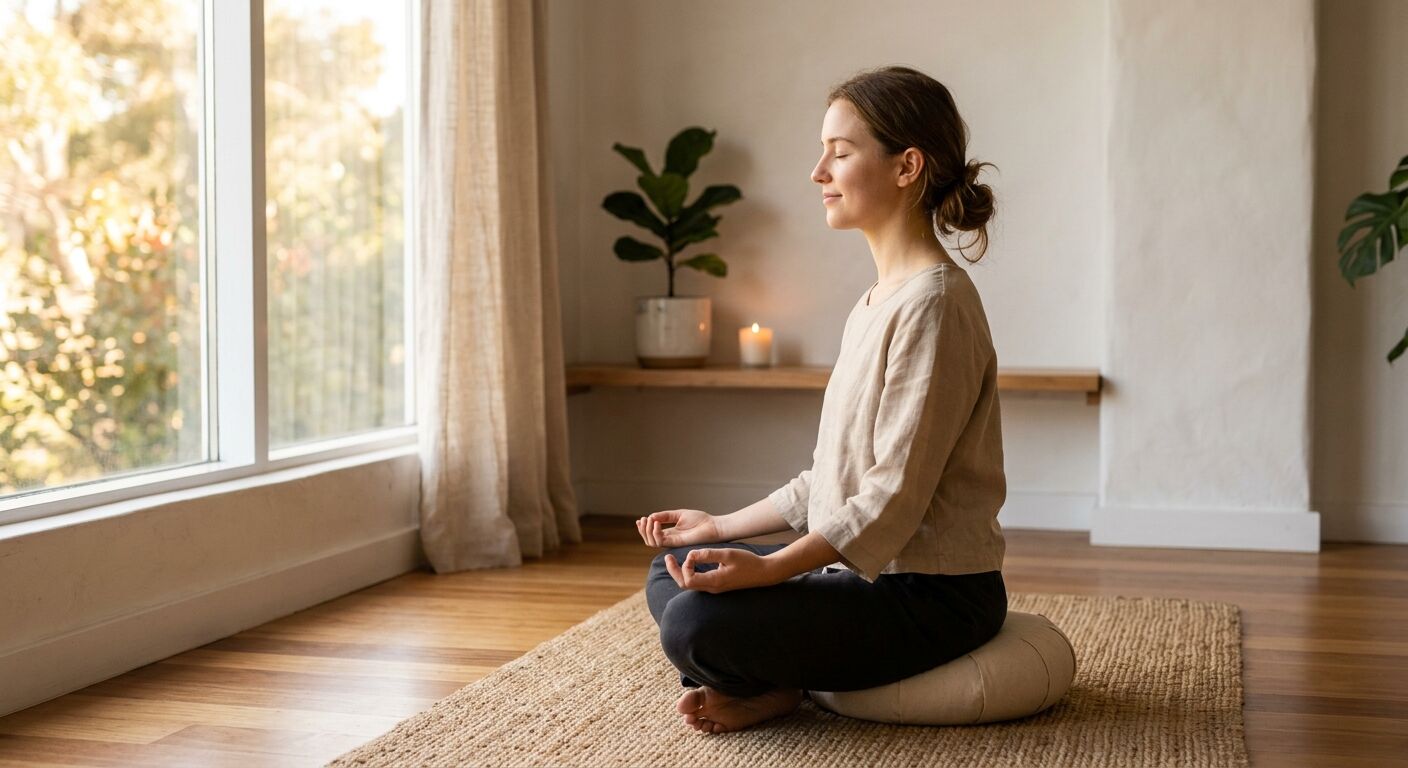
There are many ways to practice mindfulness. Formal meditation involves setting aside time to sit quietly and focus on your breath, sounds, or bodily sensations. Even a few minutes a day can make a significant difference. Guided meditations, available through apps and online resources, can be particularly helpful for beginners, providing a structured way to learn the practice. The key is consistency, even if it's just for a short period each day.
Mindfulness can also be integrated into your daily life through informal practices. This could be mindfully eating a meal, paying full attention to the tastes, textures, and smells of your food. Or perhaps taking a mindful walk, noticing the sights, sounds, and sensations around you without distraction. Even simple tasks like washing dishes or brushing your teeth can become opportunities for mindful awareness, transforming routine into moments of focused presence.
The benefits of mindfulness are extensive. Regular practice can reduce symptoms of anxiety and depression, improve focus and concentration, enhance emotional regulation, and even improve physical health by lowering blood pressure and boosting the immune system. It helps you create a space between a stimulus and your reaction, giving you more control over your emotional responses. By becoming more aware of your inner experience, you can identify triggers for stress and anxiety more quickly and respond in healthier ways.
4. Deep Breathing and Relaxation Techniques
One of the most immediate and effective ways to calm your nervous system is through deep breathing. When we're anxious or stressed, our breathing often becomes shallow and rapid, reinforcing the "fight or flight" response. Deliberately slowing down and deepening your breath sends a signal to your brain that you are safe, activating the parasympathetic nervous system, which promotes relaxation. This is a tool you carry with you everywhere and can use discreetly in any situation.
A simple and highly effective technique is diaphragmatic breathing, often called "belly breathing." To practice, lie down or sit comfortably with one hand on your chest and the other on your abdomen. Inhale slowly and deeply through your nose, feeling your abdomen rise while your chest remains relatively still. Exhale slowly through your mouth, letting your abdomen fall. Focus on making your exhales longer than your inhales. This helps to fully engage your diaphragm, which is essential for deep relaxation.
Another popular technique is the 4-7-8 breathing method, popularized by Dr. Andrew Weil. This involves inhaling quietly through your nose for a count of four, holding your breath for a count of seven, and then exhaling completely through your mouth with a "whoosh" sound for a count of eight. Repeat this cycle for four breaths. This method is particularly effective for calming the mind and preparing for sleep. It can be a great way to interrupt a cycle of anxious thoughts.
Beyond structured breathing exercises, simply taking a few slow, deep breaths whenever you feel tension building can make a significant difference. Make it a habit to pause throughout your day and check in with your breath. Are you holding your breath? Is it shallow? Consciously take a few deep breaths to reset. Incorporating these techniques regularly can help you build resilience against daily stressors and provide an immediate tool for moments of acute anxiety.
5. Progressive Muscle Relaxation: Releasing Tension
Progressive Muscle Relaxation (PMR) is a technique that involves tensing and then relaxing different muscle groups throughout your body. The core idea is that by deliberately tensing a muscle for a short period (around 5-10 seconds) and then releasing it, you can become more aware of the sensation of relaxation and more effectively let go of chronic tension. Many people carry stress and anxiety in their bodies without even realizing it, manifesting as tight shoulders, a clenched jaw, or a stiff neck. PMR helps to identify and release this stored tension.
To practice PMR, find a quiet place where you won't be disturbed. Lie down or sit comfortably. You'll typically start with your feet and work your way up to your head, or vice versa. For example, you might start by tensing the muscles in your right foot, curling your toes tightly, and holding for about 5-10 seconds. Then, completely relax your foot, noticing the difference between the tension and the release. Take a few deep breaths before moving to the next muscle group.
Continue this process through your entire body: calves, thighs, glutes, abdomen, chest, arms, hands, shoulders, neck, and face. For each muscle group, really focus on the sensation of tension as you clench, and then the sensation of letting go as you relax. You might find that some areas hold more tension than others, and PMR helps you to identify these areas so you can consciously relax them throughout your day. It's a wonderful way to tune into your body's signals.
Regular practice of PMR can lead to a greater awareness of where you hold tension, allowing you to release it more readily. It's been shown to reduce generalized anxiety, improve sleep quality, and even help manage chronic pain. You can find guided PMR exercises online or through relaxation apps, which can be very helpful when you're first learning the technique. Integrating this practice into your routine, even a few times a week, can provide significant benefits for both physical and mental relaxation.
6. The Power of Physical Activity
Engaging in regular physical activity is one of the most powerful and scientifically backed ways to combat anxiety and stress. When you exercise, your body releases endorphins, which are natural mood elevators and pain relievers. It's like a natural antidepressant and anxiolytic. Beyond the chemical benefits, exercise provides a healthy outlet for pent-up energy, tension, and frustration that often accompany stress and anxiety. It can also improve your sleep, which in turn helps manage stress levels.
You don't need to become a marathon runner or spend hours in the gym to reap the benefits. Even moderate physical activity can make a significant difference. Aim for at least 30 minutes of moderate-intensity exercise most days of the week. This could include brisk walking, jogging, cycling, swimming, dancing, or even gardening. The key is to find an activity you enjoy, as this increases the likelihood that you'll stick with it consistently.
Consider incorporating different types of exercise into your routine:
- Aerobic activities like running or swimming are excellent for cardiovascular health and stress reduction.
- Strength training helps build muscle and can boost your metabolism, contributing to overall well-being.
- Mind-body practices like yoga and Tai Chi combine physical movement with mindfulness and breathing techniques, offering a dual benefit for both body and mind. These can be particularly effective for promoting calm and flexibility.
The benefits extend beyond the immediate mood boost. Regular exercise improves your body's ability to cope with stress by reducing the impact of stress hormones. It can also distract you from anxious thoughts, helping you to break free from rumination. If starting a new exercise routine feels daunting, begin slowly and gradually increase the intensity and duration. Even short bursts of activity, like a 10-minute walk, are better than nothing and can accumulate throughout the day. Make movement a non-negotiable part of your stress management strategy.
7. Nourishing Your Body: Diet and Hydration
What you put into your body plays a crucial role in how well you manage anxiety and stress. A balanced diet provides the essential nutrients your brain and body need to function optimally, regulating mood, energy levels, and hormone production. Conversely, a diet high in processed foods, sugar, and unhealthy fats can exacerbate feelings of anxiety and fatigue, create blood sugar spikes and crashes, and negatively impact your gut health, which is closely linked to brain health.
Focus on a diet rich in whole, unprocessed foods. Include plenty of fruits, vegetables, whole grains, lean proteins, and healthy fats. These foods provide complex carbohydrates for sustained energy, vitamins and minerals essential for neurotransmitter production, and antioxidants to combat cellular stress.
- B vitamins (like leafy greens, eggs, and legumes) are important for nerve function and stress response.
- Omega-3 fatty acids (found in fatty fish, flaxseeds, and walnuts) are known for their brain-boosting and anti-inflammatory properties.
Hydration is just as vital as nutrition. Dehydration can mimic or worsen symptoms of anxiety, such as fatigue, dizziness, and difficulty concentrating. Aim to drink plenty of water throughout the day. Keep a water bottle handy as a reminder to sip regularly. While plain water is best, herbal teas can also contribute to your fluid intake and offer additional calming benefits, such as chamomile or peppermint tea.
Limiting certain substances can also significantly impact your stress and anxiety levels. Reduce your intake of caffeine and alcohol, as both can interfere with sleep and heighten anxious feelings. While a sugary snack might offer a temporary lift, the subsequent crash can leave you feeling more irritable and stressed. Being mindful of what and when you eat can help stabilize your mood and provide a solid foundation for managing stress. Treat your body like the finely tuned machine it is, and it will serve you better.
8. Prioritizing Restful Sleep
Sleep is not a luxury; it's a fundamental pillar of both physical and mental health, and critically important for managing anxiety and stress. When you don't get enough quality sleep, your body remains in a heightened state of alert, making you more susceptible to stress and less able to cope with daily challenges. Lack of sleep can intensify feelings of worry, irritability, and can even impair your cognitive functions, making problem-solving more difficult.
Aim for 7-9 hours of quality sleep each night. To improve your sleep hygiene, establish a consistent sleep schedule, going to bed and waking up at roughly the same time each day, even on weekends. This helps regulate your body's natural sleep-wake cycle, known as your circadian rhythm. Creating a relaxing bedtime routine can also signal to your body that it's time to wind down. This might include a warm bath, reading a book, or listening to calming music.
Your sleep environment also plays a significant role. Ensure your bedroom is dark, quiet, and cool. Avoid screens (phones, tablets, computers, TVs) for at least an hour before bed, as the blue light emitted from these devices can interfere with melatonin production, the hormone that regulates sleep. Also, be mindful of your intake of caffeine and heavy meals close to bedtime, as these can disrupt sleep patterns.
If you struggle with sleep, remember that consistency and patience are key. It may take time to establish new habits. If sleep problems persist and significantly impact your daily life, it's wise to consult a healthcare professional. Addressing sleep issues is a powerful step towards reducing anxiety and stress, as restorative sleep allows your brain to process emotions and your body to repair itself, leaving you better equipped to face the day.
9. Cultivating Self-Care Practices
Self-care isn't selfish; it's essential for your well-being and a cornerstone of effective anxiety and stress management. It involves intentionally taking actions to preserve or improve your own health, happiness, and overall well-being. Often, when we're stressed, self-care is the first thing to fall by the wayside, but it's precisely when we need it most. It's about recognizing your needs and actively meeting them, rather than waiting until you're completely depleted.
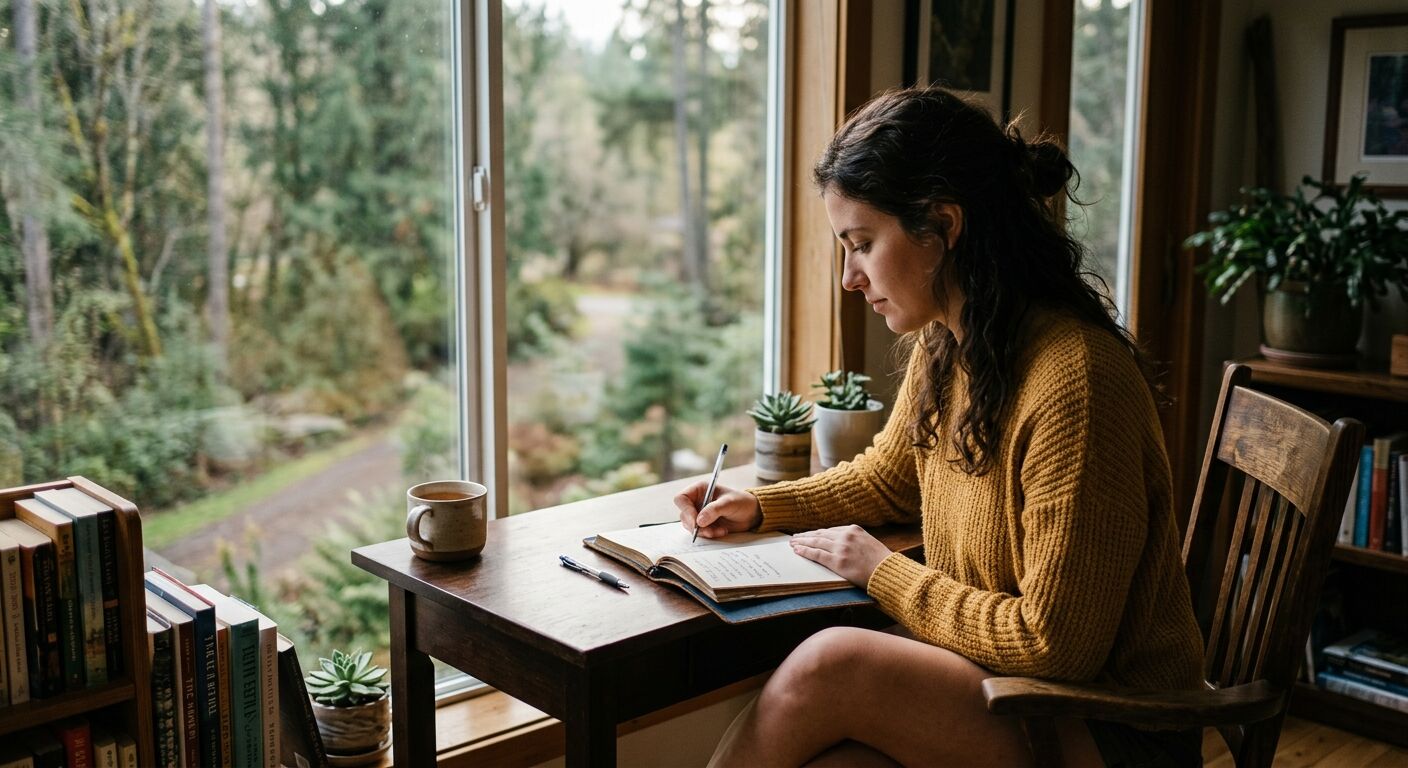
Self-care looks different for everyone, and what works for one person might not work for another. The key is to identify activities that genuinely rejuvenate you. This could be anything from reading a book, taking a long bath, spending time in nature, pursuing a hobby, listening to music, or simply enjoying a cup of tea in peace. The important thing is that these activities are chosen deliberately and contribute positively to your mental or emotional state.
Make self-care a non-negotiable part of your daily or weekly routine. Schedule it in your calendar just as you would any other important appointment. Even small, consistent acts of self-care can accumulate to create a significant buffer against stress. For instance, dedicating 15 minutes each morning to meditation or journaling can set a positive tone for your entire day. It's about proactively recharging your batteries before they run completely flat.
Remember that self-care also involves setting boundaries and learning to say no. Protecting your time and energy from commitments that don't serve you is a vital aspect of caring for yourself. It's about recognizing your limits and honoring them. By regularly engaging in self-care, you build resilience, reduce the cumulative effects of stress, and foster a greater sense of inner peace and control.
10. Building a Strong Support System
One of the most powerful buffers against anxiety and stress is a strong support system. Humans are social creatures, and having people you can trust and rely on provides immense emotional comfort and practical help. When you're feeling overwhelmed, isolating yourself can actually make things worse. Reaching out to others can help you gain perspective, share your burdens, and feel less alone in your struggles.

Your support system can include family members, friends, partners, mentors, or even colleagues who you trust. The key is to have individuals with whom you feel comfortable sharing your authentic feelings without judgment. Sometimes, simply talking about what's bothering you can significantly reduce the intensity of anxious thoughts or stressful situations. It allows you to vent, process emotions, and receive empathy and understanding.
Beyond emotional support, a good support system can also offer practical help. This might mean someone to watch your kids so you can have a moment to yourself, a friend who helps you brainstorm solutions to a problem, or a colleague who provides advice on a work challenge. Don't be afraid to ask for help when you need it. People who care about you often want to assist but might not know how unless you communicate your needs.
If your personal network feels limited, consider joining support groups, either online or in person. These groups connect individuals facing similar challenges, fostering a sense of community and shared experience. Additionally, if feelings of anxiety and stress are persistent and overwhelming, seeking professional support from a therapist or counselor is a crucial step. They can provide expert guidance, coping strategies, and a safe space to explore your feelings without judgment. Building and nurturing these connections is an investment in your mental and emotional resilience.
11. Effective Time Management and Setting Boundaries
A significant source of stress and anxiety often comes from feeling overwhelmed by too many commitments and not enough time. Effective time management and the ability to set clear boundaries are critical skills for regaining control and reducing this pressure. When you manage your time well, you create a sense of order and predictability, which can be incredibly calming. Setting boundaries helps protect your energy and ensures you're not constantly overextending yourself.
Start by identifying your priorities. What tasks truly need your attention, and what can be delegated or postponed? Tools like to-do lists, calendars, and planners can help you visualize your responsibilities and allocate time accordingly. Breaking down large tasks into smaller, more manageable steps can make them seem less daunting and increase your sense of accomplishment as you tick them off. Avoid multitasking, as it often leads to reduced efficiency and increased stress. Focus on one task at a time.
Learning to say "no" is a powerful boundary-setting technique. It's okay to decline requests or commitments that don't align with your priorities or that you simply don't have the capacity for. Overcommitting can quickly lead to burnout and resentment. Remember that saying no to one thing is often saying yes to something else that is more important for your well-being. This applies to both personal and professional requests.
Additionally, set boundaries around your work and personal life. In today's always-on culture, it's easy for work to bleed into evenings and weekends. Establish clear cut-off times for checking emails or taking calls. Create dedicated time for relaxation and hobbies. Setting these limits communicates to others (and yourself) what your time and energy are worth. By mastering time management and boundary setting, you proactively reduce potential stressors and create more space for peace and rejuvenation in your life.
12. Challenging Negative Thought Patterns
Our thoughts have a profound impact on our emotions and physical reactions. When we're anxious or stressed, it's common to fall into negative thought patterns, such as catastrophic thinking (always expecting the worst), overgeneralization (making broad negative conclusions from a single event), or black-and-white thinking. These unhelpful thought patterns can fuel anxiety and create a vicious cycle that's hard to break. Challenging these thoughts is a key strategy for managing anxiety effectively.
Cognitive Behavioral Therapy (CBT) principles are particularly useful here. The core idea is that by identifying and changing unhelpful thinking and behavior patterns, you can change the way you feel. Start by becoming aware of your thoughts. When you feel anxious or stressed, pause and ask yourself: What am I thinking right now? Write these thoughts down if it helps you to see them more clearly. Often, simply externalizing the thoughts can reduce their power.
Once you've identified a negative thought, challenge it. Ask yourself:
- Is this thought based on fact or feeling?
- What is the evidence for this thought? What is the evidence against it?
- Is there another way of looking at this situation?
- What would I tell a friend who had this thought?
- Is this thought helping me or harming me?
By critically examining your thoughts, you can often find that they are not entirely accurate or helpful. Replace distorted thoughts with more balanced and realistic ones. For example, instead of "I'm going to fail this presentation," try "I'm prepared, and I'll do my best. Even if it's not perfect, it's a learning opportunity." This isn't about ignoring problems, but about approaching them with a more constructive mindset.
This process takes practice, but over time, you can retrain your brain to think in more balanced and realistic ways. Journaling can be an excellent tool for tracking and challenging negative thoughts. If you find it difficult to challenge these patterns on your own, a therapist trained in CBT can provide invaluable guidance and support. Learning to reframe your thoughts is a powerful step towards changing your emotional experience and reducing the grip of anxiety and stress.
Frequently Asked Questions (FAQ)
Q: What's the fastest way to calm down during an anxiety attack? A: During an anxiety attack, focus on deep breathing techniques like 4-7-8 breathing or diaphragmatic breathing. Find a quiet space, if possible, and concentrate on your breath to activate your parasympathetic nervous system. Grounding techniques, like focusing on five things you can see, four things you can touch, three things you can hear, two things you can smell, and one thing you can taste, can also help bring you back to the present moment.
Q: Can diet really affect my anxiety levels? A: Yes, absolutely. A diet rich in whole foods, fruits, vegetables, and healthy fats supports brain health and stable blood sugar, which can significantly impact mood and anxiety. Conversely, high sugar intake, processed foods, excessive caffeine, and alcohol can exacerbate anxiety symptoms.
Q: How much exercise is enough to help with stress? A: Even moderate physical activity can make a difference. Aim for at least 30 minutes of moderate-intensity exercise most days of the week, such as brisk walking, jogging, or cycling. Consistency is more important than intensity.
Q: When should I seek professional help for anxiety or stress? A: If your anxiety or stress is persistent, interferes with your daily life, relationships, or work, or if you experience panic attacks or have thoughts of self-harm, it's crucial to seek professional help from a doctor, therapist, or counselor. They can provide an accurate diagnosis and recommend appropriate treatment options.
Q: Is mindfulness just about meditation? A: While meditation is a common way to practice mindfulness, it's not the only way. Mindfulness is about bringing non-judgmental awareness to the present moment, which can be done through formal meditation, but also through mindful eating, walking, listening, or engaging in any activity with full attention.
Q: How can I improve my sleep when I'm stressed? A: Establish a consistent sleep schedule, create a relaxing bedtime routine, ensure your bedroom is dark, quiet, and cool, and avoid screens, caffeine, and heavy meals close to bedtime. If sleep issues persist, consult a healthcare professional.
Key Takeaways
- Understand the difference: Stress is a response to an external cause, while anxiety is often characterized by persistent, excessive worries.
- Recognize the mind-body connection: Physical practices can calm your mind, and mental calm can positively impact your body.
- Embrace mindfulness: Practice anchoring yourself in the present moment to reduce rumination about past or future worries.
- Utilize deep breathing: Techniques like diaphragmatic or 4-7-8 breathing offer immediate calm and help regulate your nervous system.
- Release tension: Incorporate Progressive Muscle Relaxation to identify and release physical tension stored in your body.
- Move your body: Engage in regular physical activity to release endorphins, reduce stress hormones, and improve overall well-being.
- Nourish yourself: A balanced diet and good hydration support optimal brain function and mood stability.
- Prioritize sleep: Aim for 7-9 hours of quality sleep each night, as it's crucial for resilience and emotional regulation.
- Cultivate self-care: Make practices that genuinely rejuvenate you a non-negotiable part of your routine.
- Build a strong support system: Lean on friends, family, or professionals when you need to share burdens or seek advice.
- Manage your time and set boundaries: Prevent overcommitment and protect your energy by prioritizing and learning to say "no."
- Challenge negative thoughts: Question the validity of unhelpful thought patterns and replace them with more balanced and realistic perspectives.





Welcome to our Mental Health Social Network, a safe, supportive, and inclusive community dedicated to mental wellness, emotional wellbeing, and personal growth. Connect with people who understand your experiences, share your journey, and find encouragement from members who care.
Whether you're looking for support with anxiety, depression, stress, ADHD, PTSD, or simply seeking a positive space to discuss mental health, you'll find a welcoming community here. Join conversations, share stories, ask questions, discover helpful resources, and build meaningful connections with others on similar paths.
- Mental Health Awareness
- General Anxiety
- Phobias
- Agoraphobia
- Depression Support
- Seasonal Affective Disorder (SAD)
- Bipolar Disorder
- Recovery Stories
- Stress Management
- Emotional Abuse Recovery
- Childhood Trauma
- PTSD Support
- Trauma Recovery
- Autism Spectrum Discussions
- ADHD Support
- Dyspraxia
- Dyslexia
- Addiction Recovery
- Alcohol Recovery
- Drug Recovery
- Emotional Wellbeing
- Gambling Recovery
- General Mental Health
- Separation Anxiety
- Sleep Disorders
- Eating Disorders
- Mens Wellbeing
- Womens Wellbeing
- Teen Mental Health
- Workplace Mental Health
- Chronic Illness Support
 English
 Arabic
 French
 Spanish
 Portuguese
 Deutsch
 Turkish
 Dutch
Dutch
 Italiano
 Russian
 Romaian
 Portuguese (Brazil)
 Greek
Greek