Addiction Recovery: Support, Hope & Resources
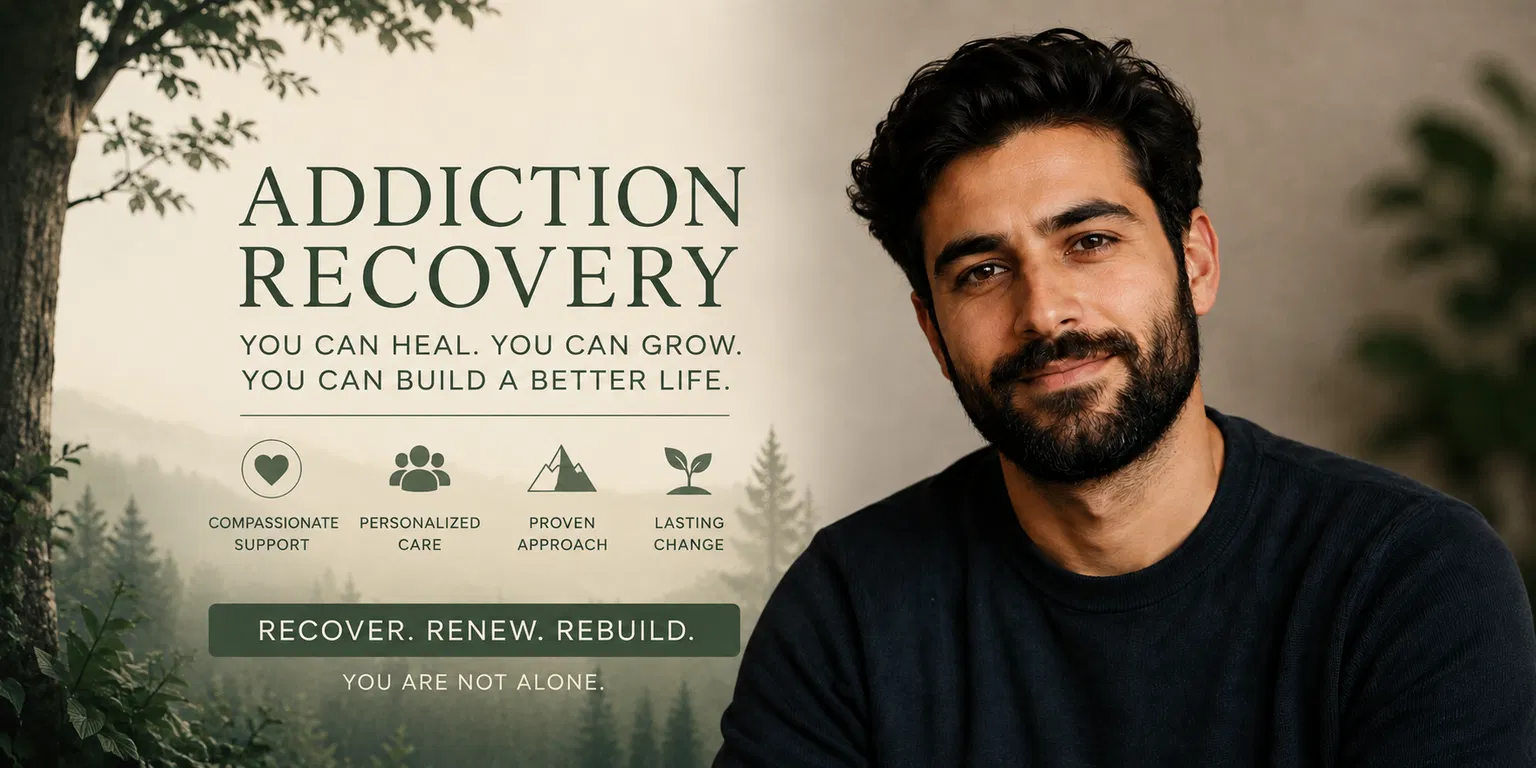
Managing Addiction Recovery: Support, Hope, and Resources
Embarking on the path to addiction recovery is one of the most courageous decisions you can make. It’s a journey filled with opportunities for profound personal growth, leading you towards a healthier, more fulfilling future. This article is designed to be a compassionate companion, offering insights, resources, and a message of unwavering hope as you navigate this transformative experience.
Table of Contents
- Introduction: Embracing the Path to Recovery
- Understanding Addiction: A Complex Journey
- The Power of Support Systems
- Professional Guidance: Therapies and Counseling
- Medication-Assisted Treatment (MAT): An Overview
- Building Healthy Coping Mechanisms
- Relapse Prevention Strategies
- Holistic Approaches to Wellness
- Family Involvement: Healing Together
- Finding Hope and Maintaining Motivation
- Resources for Your Journey
- Conclusion: A Healthier Future Awaits
- FAQ
- Key Takeaways
Introduction: Embracing the Path to Recovery
Embarking on the journey of addiction recovery is a courageous and life-affirming decision. It's a path that requires immense strength, resilience, and a willingness to embrace change. While the road may have its challenges, it's also filled with opportunities for profound personal growth and the promise of a healthier, more fulfilling future. This article is designed to be a compassionate companion on that journey, offering insights, resources, and a message of unwavering hope.
Addiction is a complex condition that impacts individuals from all walks of life, and its recovery is equally unique to each person. There's no single "right" way to recover, but there are fundamental principles and proven strategies that can significantly increase the chances of long-term sobriety and well-being. Understanding these elements is the first step towards building a solid foundation for your recovery.
The goal here is to demystify the recovery process, highlight the various forms of support available, and empower you with knowledge. We'll explore everything from professional treatment options to the vital role of community and self-care. Remember, you are not alone in this; a vast network of individuals and organizations is dedicated to helping you succeed.
Finding your way through recovery can feel overwhelming at times, but with the right tools and mindset, it becomes a journey of self-discovery and empowerment. Let's delve into the different facets of managing addiction recovery, focusing on how support, hope, and accessible resources can illuminate your path forward.

Understanding Addiction: A Complex Journey
Before diving into recovery strategies, it's helpful to understand addiction itself. Addiction is recognized as a chronic brain disease, characterized by compulsive drug seeking and use, despite harmful consequences. It's not a moral failing or a lack of willpower, but a medical condition that changes brain chemistry and function. This understanding is crucial for fostering self-compassion and reducing the stigma often associated with addiction.
The development of addiction is influenced by a combination of genetic, environmental, and psychological factors. Some individuals may be predisposed to addiction due to family history, while others may develop it as a coping mechanism for trauma, stress, or underlying mental health conditions. Recognizing these contributing factors can help in tailoring a more effective and holistic recovery plan.
It's important to remember that addiction affects not just the individual, but also their families, friends, and communities. The ripple effect can be far-reaching, creating challenges in relationships, employment, and overall quality of life. Acknowledging these broader impacts is a step towards understanding the full scope of recovery, which often involves repairing damaged relationships and rebuilding a stable life.
Recovery is about more than just abstaining from substances; it's about addressing the root causes of addiction, developing new coping skills, and creating a life that is fulfilling and meaningful without the need for substances. It's a transformative process that encourages introspection and personal growth.
The Power of Support Systems
One of the most critical elements in successful addiction recovery is a strong and reliable support system. Humans are social creatures, and having people who believe in you, listen to you, and stand by you can make an enormous difference during challenging times. This support can come from various sources, each playing a unique and valuable role.
Family and friends, when educated and engaged, can provide a foundation of love and understanding. Open communication and setting healthy boundaries are essential for these relationships to thrive during recovery. Sometimes, family therapy can be a valuable tool to help everyone heal and learn how to support each other effectively.
Peer support groups, such as Alcoholics Anonymous (AA) and Narcotics Anonymous (NA), offer a unique and powerful form of understanding. In these groups, individuals share their experiences, strengths, and hopes with others who have faced similar struggles. The sense of community and shared purpose found in these meetings can be incredibly validating and motivating, reminding you that you are not alone.

Beyond formal groups, simply having a trusted friend, mentor, or sponsor can provide invaluable emotional support. These individuals can offer a listening ear, wise counsel, and a sense of accountability. Building a diverse network of supportive people ensures that you have multiple avenues for help when you need it most.
Professional guidance often encourages the development of a strong support network as a cornerstone of long-term recovery. It’s a resource that provides both practical advice and emotional sustenance, helping you navigate the ups and downs of your recovery journey with greater confidence.
Professional Guidance: Therapies and Counseling
While personal support is vital, professional guidance forms the backbone of many successful recovery journeys. Licensed therapists, counselors, and addiction specialists offer evidence-based treatments designed to address the complex nature of addiction. These professionals can provide personalized strategies and tools to help you navigate your recovery.
Cognitive Behavioral Therapy (CBT) is a widely used approach that helps individuals identify and change problematic thinking patterns and behaviors associated with substance use. By learning to recognize triggers and develop healthy coping mechanisms, individuals can gain greater control over their responses and choices.
Dialectical Behavior Therapy (DBT) is another effective therapy, particularly for those who struggle with intense emotions or co-occurring mental health conditions. DBT focuses on teaching skills in mindfulness, distress tolerance, emotion regulation, and interpersonal effectiveness, all of which are crucial for maintaining sobriety and improving overall well-being.
Motivational Interviewing (MI) is a collaborative, goal-oriented style of communication that helps individuals explore and resolve ambivalence about change. Instead of direct confrontation, MI gently guides individuals to articulate their own reasons for change, thereby strengthening their commitment to recovery.
Beyond individual therapy, group counseling can also be incredibly beneficial. It provides a safe space to share experiences, receive feedback from peers, and practice new social skills in a supportive environment. The insights gained from both individual and group settings are instrumental in building a strong, lasting recovery.
Medication-Assisted Treatment (MAT): An Overview
Medication-Assisted Treatment (MAT) combines behavioral therapy and medications to treat substance use disorders. It's an evidence-based approach that has proven highly effective, particularly for opioid and alcohol use disorders. MAT is a holistic approach, addressing both the physical and psychological aspects of addiction.
For opioid use disorder, medications like buprenorphine, naltrexone, and methadone can significantly reduce cravings and withdrawal symptoms, making it easier for individuals to engage in counseling and therapy. These medications work by affecting the same brain receptors as opioids, but without producing the same euphoric effects, thus stabilizing the individual.
Similarly, for alcohol use disorder, medications such as naltrexone, acamprosate, and disulfiram can help reduce alcohol cravings, decrease the pleasurable effects of alcohol, and deter drinking. These medications can be a crucial support in the early stages of recovery and in preventing relapse.
It's important to understand that MAT is not simply substituting one drug for another. When used as prescribed and in conjunction with counseling, these medications are a vital tool that helps stabilize brain chemistry, allowing individuals to focus on therapy and develop life skills necessary for long-term recovery.
The decision to use MAT should always be made in consultation with a healthcare professional who can assess individual needs and determine the most appropriate course of treatment. MAT can dramatically improve recovery outcomes and should be considered a legitimate and valuable option in addiction treatment.
Building Healthy Coping Mechanisms
A fundamental aspect of sustainable recovery is learning and implementing healthy coping mechanisms. Addiction often arises as a way to cope with stress, trauma, or uncomfortable emotions. Replacing these destructive coping strategies with constructive ones is essential for navigating life's challenges without resorting to substance use.
Mindfulness and meditation are powerful tools that can help individuals become more aware of their thoughts and feelings without judgment. Practicing mindfulness can reduce stress, improve emotional regulation, and enhance overall well-being, providing a healthy alternative to self-medication.
Engaging in physical activity is another excellent coping mechanism. Exercise releases endorphins, which have mood-boosting effects, and can significantly reduce anxiety and depression. Whether it's walking, running, yoga, or team sports, finding an activity you enjoy can be incredibly beneficial for both physical and mental health.
Creative outlets like writing, painting, playing music, or engaging in crafts can also serve as healthy ways to express emotions and process experiences. These activities provide a sense of purpose and accomplishment, diverting focus away from negative thoughts and cravings.
Developing a toolbox of diverse coping strategies allows you to choose the most appropriate response for any given situation. It empowers you to face difficulties head-on, knowing you have healthy ways to manage your emotions and reactions, thus strengthening your resolve in recovery.
Relapse Prevention Strategies
Relapse is a common part of the recovery process for many, but it doesn't signify failure. Instead, it offers an opportunity to learn, adjust strategies, and reinforce commitment to sobriety. Developing robust relapse prevention strategies is a proactive and essential component of any long-term recovery plan.
One key strategy is identifying triggers. These can be people, places, things, or even emotions that might provoke a craving or a desire to use substances. Once identified, individuals can develop plans to avoid these triggers or learn how to cope with them if avoidance isn't possible. This might involve changing routines, avoiding certain social situations, or practicing specific relaxation techniques.
Building a strong support network, as discussed earlier, plays a crucial role in relapse prevention. Having trusted individuals to call upon during moments of vulnerability can provide the necessary intervention and encouragement to stay on track. A sponsor in a 12-step program, for example, often serves this vital role.
Developing a detailed relapse prevention plan, often with the help of a therapist, is highly recommended. This plan typically outlines specific steps to take if cravings arise, who to contact, and what activities to engage in to divert attention from substance use. It's a proactive roadmap for navigating high-risk situations.
Remember, recovery is a marathon, not a sprint. It's okay to experience setbacks, but the key is to learn from them and recommit to your recovery journey. With careful planning, strong support, and effective coping skills, you can significantly reduce the risk of relapse and maintain long-term sobriety.
Holistic Approaches to Wellness
Beyond traditional therapies, incorporating holistic approaches can significantly enhance overall well-being and support a more complete recovery. Holistic wellness considers the whole person—mind, body, and spirit—and aims to create balance and harmony in all aspects of life.
Nutrition plays a vital role in recovery. A healthy diet can improve mood, energy levels, and brain function, which are often compromised by substance use. Focusing on nutrient-rich foods can help repair the body and support overall physical health, forming a strong foundation for mental and emotional well-being.
Mind-body practices like yoga and Tai Chi combine physical movement with breathwork and meditation. These practices can reduce stress, improve flexibility and balance, and foster a deeper connection between the mind and body, promoting a sense of calm and inner peace.
Spending time in nature has been shown to have numerous therapeutic benefits, including reduced stress, improved mood, and increased feelings of vitality. Whether it's a walk in the park, hiking, or simply enjoying a quiet moment outdoors, connecting with nature can be a powerful tool for healing and rejuvenation.
Incorporating these holistic practices into your daily routine can complement your therapeutic work and support a more vibrant, balanced, and fulfilling life in recovery. They provide additional avenues for self-care and personal growth, reinforcing your commitment to a healthier future.
Family Involvement: Healing Together
Addiction impacts the entire family system, and successful recovery often involves a process of healing and rebuilding relationships with loved ones. Family involvement, when approached constructively, can provide invaluable support and contribute significantly to the individual's long-term sobriety.
Family therapy can be an incredibly effective tool for addressing the dynamics that may have contributed to or been affected by the addiction. It provides a safe space for family members to communicate openly, express their feelings, and learn healthy ways to interact with and support each other. This can help mend broken trust and establish new, positive patterns of interaction.
Education about addiction is crucial for family members. Understanding addiction as a disease, rather than a moral failing, can foster empathy and reduce blame. Learning about enabling behaviors and setting healthy boundaries are also vital components of family healing, empowering everyone to contribute positively to the recovery process.
Support groups specifically for family members, such as Al-Anon or Nar-Anon, offer a community of individuals who understand the unique challenges of loving someone with an addiction. These groups provide a safe space for sharing experiences, gaining perspective, and learning coping strategies for their own well-being.
When families heal together, the individual in recovery gains a stronger foundation of support and understanding at home. This collaborative approach reinforces the message that recovery is a shared journey, and that love, patience, and clear communication are key to rebuilding healthy family bonds.
Finding Hope and Maintaining Motivation
Hope is a powerful force in addiction recovery. It's the belief that a better future is possible, even when the present feels challenging. Nurturing this hope and maintaining motivation are crucial for navigating the long-term journey of sobriety.
Celebrating small victories along the way is essential for maintaining motivation. Acknowledging milestones, whether it's a week sober, a month without a craving, or successfully navigating a difficult social situation, reinforces positive behaviors and reminds you of your progress. These small wins build momentum and confidence.

Setting realistic goals is another key to sustained motivation. Recovery is a journey with ups and downs, and having achievable short-term and long-term goals can provide a roadmap and a sense of purpose. These goals can range from attending a certain number of support meetings to pursuing a new hobby or career path.
Connecting with others in recovery who have achieved long-term sobriety can be incredibly inspiring. Hearing their stories and seeing their success provides tangible proof that sustained recovery is possible and offers a beacon of hope for your own journey. Mentorship can play a significant role here.
Remembering your "why" – the reasons you chose recovery in the first place – can be a powerful motivator during challenging times. Whether it's for your health, your family, your future, or simply for a better quality of life, keeping your core motivations at the forefront can help you stay committed to your path.
Resources for Your Journey
The good news is that there are numerous resources available to support you at every stage of your addiction recovery journey. Accessing these resources can provide essential tools, guidance, and community.
- National Helplines: Many countries offer national helplines for substance abuse, providing immediate support, information, and referrals to local treatment centers and resources. These are often available 24/7.
- Treatment Centers: A variety of inpatient and outpatient treatment centers offer structured programs, including detoxification, therapy, and aftercare planning. Researching reputable centers that align with your needs is an important step.
- Support Groups: In addition to AA and NA, there are many other peer-led support groups like SMART Recovery, which focuses on self-empowerment and cognitive behavioral tools. Finding a group that resonates with your personal philosophy can be highly beneficial.
- Online Resources and Apps: The digital age offers a wealth of online resources, including forums, educational websites, and mobile applications designed to provide support, track progress, and offer daily inspiration for recovery. Always ensure these sources are credible and evidence-based.
- Therapists and Counselors: Seeking out licensed professionals specializing in addiction treatment is crucial. They can provide individual therapy, group therapy, and help develop personalized recovery plans.
- Medical Professionals: Doctors can assist with medication-assisted treatment (MAT) and address any co-occurring physical health issues that may impact recovery. Regular check-ups are important for overall well-being.
Leveraging these resources thoughtfully can significantly enhance your chances of achieving and maintaining long-term recovery. Don't hesitate to reach out and explore the options available to you.
Conclusion: A Healthier Future Awaits
Managing addiction recovery is a challenging yet profoundly rewarding journey. It requires commitment, resilience, and a willingness to embrace change, but it is a path that ultimately leads to a healthier, more fulfilling, and vibrant life. By understanding the nature of addiction, embracing robust support systems, and utilizing professional guidance, you are equipping yourself with the tools for lasting success.
Remember, recovery is not a linear process; there will be ups and downs, moments of triumph, and perhaps even setbacks. The key is to view each experience as an opportunity for learning and growth, to remain compassionate with yourself, and to continuously recommit to your well-being. Every step you take, no matter how small, is a testament to your strength and courage.
The journey of recovery is a testament to the human spirit's capacity for healing and transformation. With hope as your guide, support as your foundation, and the wealth of resources available, you have everything you need to build a future free from the grip of addiction. Embrace this journey with confidence, knowing that a healthier, happier life is not just a possibility, but a tangible reality within your reach.
FAQ
Q: Is addiction truly a disease? A: Yes, addiction is recognized as a chronic brain disease by major medical organizations, including the American Medical Association and the National Institute on Drug Abuse. It is characterized by compulsive drug seeking and use, despite harmful consequences, and involves changes to brain structure and function.
Q: How long does addiction recovery take? A: Recovery is a lifelong journey, not a destination. While the initial acute phase of withdrawal and early sobriety may last weeks to months, maintaining recovery involves ongoing commitment, self-care, and engagement with support systems throughout one's life.
Q: Can I recover from addiction on my own? A: While some individuals may attempt to recover on their own, professional help and a strong support system significantly increase the chances of long-term sobriety. Addiction is a complex condition, and professional guidance offers evidence-based strategies and coping mechanisms that are difficult to develop in isolation.
Q: What should I do if a loved one is struggling with addiction? A: Encourage them to seek professional help. Educate yourself about addiction, set healthy boundaries, and seek support for yourself through family support groups like Al-Anon or Nar-Anon. Avoid enabling behaviors and focus on supporting their recovery journey without taking responsibility for it.
Q: What if I relapse? Does that mean I've failed? A: Relapse is a common part of the recovery process for many individuals and does not mean you have failed. It's an opportunity to learn what went wrong, adjust your strategies, and recommit to your recovery plan. Reach out to your support system and treatment team immediately to get back on track.
Key Takeaways
- Addiction is a chronic brain disease, not a moral failing, and understanding this helps reduce stigma and fosters self-compassion.
- Strong support systems, including family, friends, and peer groups (like AA or NA), are crucial for long-term recovery.
- Professional guidance through therapies (CBT, DBT, MI) and counseling provides evidence-based strategies for managing addiction.
- Medication-Assisted Treatment (MAT) is a highly effective, evidence-based approach for some substance use disorders, combining medication with behavioral therapy.
- Developing healthy coping mechanisms (mindfulness, exercise, creative outlets) is essential for navigating life's challenges without resorting to substance use.
- Proactive relapse prevention strategies, including trigger identification and detailed plans, are vital for maintaining sobriety.
- Holistic approaches to wellness, such as nutrition, mind-body practices, and connecting with nature, can significantly enhance overall well-being.
- Family involvement and healing are important for rebuilding relationships and creating a supportive home environment.
- Nurturing hope, celebrating small victories, and connecting with others in recovery are key to maintaining motivation on the journey.
- Numerous resources, including helplines, treatment centers, support groups, and online tools, are available to assist at every stage of recovery.

Welcome to our Mental Health Social Network, a safe, supportive, and inclusive community dedicated to mental wellness, emotional wellbeing, and personal growth. Connect with people who understand your experiences, share your journey, and find encouragement from members who care.
Whether you're looking for support with anxiety, depression, stress, ADHD, PTSD, or simply seeking a positive space to discuss mental health, you'll find a welcoming community here. Join conversations, share stories, ask questions, discover helpful resources, and build meaningful connections with others on similar paths.
- Mental Health Awareness
- General Anxiety
- Phobias
- Agoraphobia
- Depression Support
- Seasonal Affective Disorder (SAD)
- Bipolar Disorder
- Recovery Stories
- Stress Management
- Emotional Abuse Recovery
- Childhood Trauma
- PTSD Support
- Trauma Recovery
- Autism Spectrum Discussions
- ADHD Support
- Dyspraxia
- Dyslexia
- Addiction Recovery
- Alcohol Recovery
- Drug Recovery
- Emotional Wellbeing
- Gambling Recovery
- General Mental Health
- Separation Anxiety
- Sleep Disorders
- Eating Disorders
- Mens Wellbeing
- Womens Wellbeing
- Teen Mental Health
- Workplace Mental Health
- Chronic Illness Support
 Italiano
 English
 Arabic
 French
 Spanish
 Portuguese
 Deutsch
 Turkish
 Dutch
Dutch
 Russian
 Romaian
 Portuguese (Brazil)
 Greek
Greek