ADHD Support and Mental Health Guide
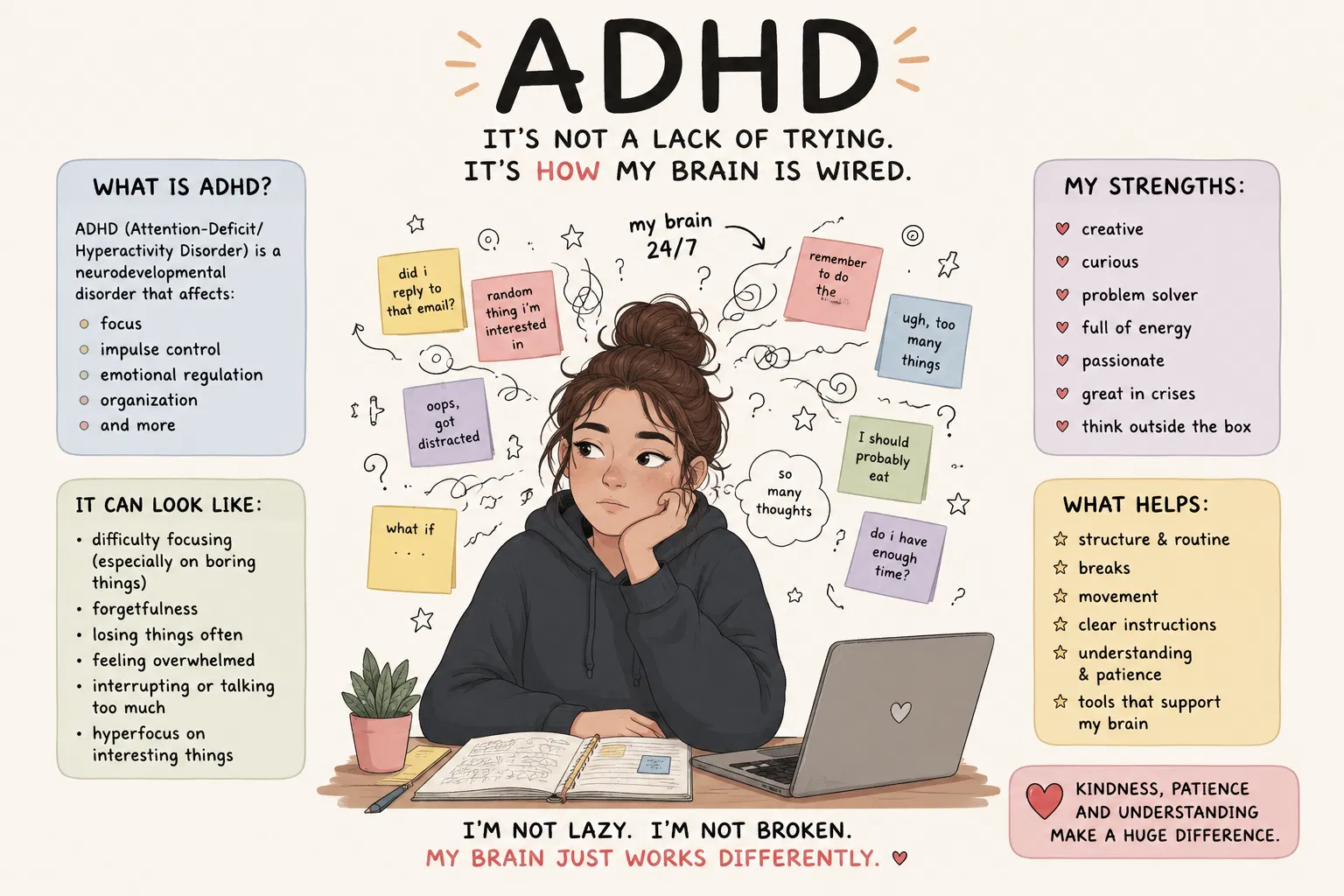
Living with Attention-Deficit/Hyperactivity Disorder (ADHD) can be a unique journey, filled with both challenges and incredible strengths. It’s more than just difficulty focusing; it’s a distinct way of experiencing the world, often leading to a rich tapestry of creativity, energy, and out-of-the-box thinking. This guide is designed to be your friendly companion, offering knowledgeable insights and practical strategies to help you or a loved one not just manage, but truly thrive with ADHD. We'll explore everything from understanding the condition itself to building robust support systems and leveraging modern tools.
Table of Contents
- Introduction: Understanding ADHD and Mental Health
- The Multifaceted Nature of ADHD
- Common Challenges Faced by Individuals with ADHD
- Professional Support: Diagnosis and Treatment Options
- Medication Management for ADHD
- Therapeutic Approaches: CBT, DBT, and Coaching
- Building a Support System: Peers, Family, and Community
- Practical Strategies for Daily Life with ADHD
- Managing Co-occurring Conditions (Anxiety, Depression)
- Technology and Tools for ADHD Management
- Advocating for Yourself and Others
- Resources and Next Steps
1. Introduction: Understanding ADHD and Mental Health
Living with Attention-Deficit/Hyperactivity Disorder (ADHD) can present a unique set of challenges and triumphs. It's a neurodevelopmental condition that often begins in childhood and can persist through adolescence and adulthood, impacting various aspects of daily life. Understanding ADHD isn't just about recognizing its symptoms; it's about appreciating the unique way an ADHD brain processes information and experiences the world.
Many people associate ADHD solely with hyperactivity or difficulty paying attention, but the reality is much broader and more nuanced. It involves differences in executive functions, which are the mental skills that help us plan, organize, prioritize, and manage our time and emotions. These differences can sometimes lead to feelings of overwhelm, frustration, or a sense of not living up to one's full potential.
It's also crucial to acknowledge the strong link between ADHD and overall mental health. The constant effort to manage symptoms, coupled with potential misunderstandings from others, can take a significant toll. Conditions like anxiety, depression, and low self-esteem are frequently co-occurring with ADHD, making comprehensive support essential. Addressing both the ADHD symptoms and any associated mental health concerns is key to improving quality of life.
The good news is that with the right strategies, support systems, and professional guidance, individuals with ADHD can absolutely thrive. This article aims to provide you with practical insights, resources, and a supportive perspective to navigate your journey with ADHD, empowering you to embrace your strengths and manage your challenges effectively. Let's dive in and explore how you can build a more fulfilling life.
2. The Multifaceted Nature of ADHD
ADHD isn't a one-size-fits-all condition. It manifests differently in each individual, often presenting a unique blend of symptoms related to inattention, hyperactivity, and impulsivity. For some, the primary struggle might be focusing on tasks, while for others, it could be managing restless energy or making impulsive decisions. Recognizing these different presentations is the first step toward finding tailored support.
Historically, ADHD was primarily diagnosed in young boys who exhibited overt hyperactivity. However, our understanding has evolved significantly. We now know that girls and women, as well as adults, often present with more inattentive symptoms, which can be easily overlooked or misattributed to other issues like anxiety or simply being "spacey." This can lead to delayed diagnosis and a longer period of struggle without appropriate support.
The core characteristics of ADHD stem from differences in brain structure and function, particularly in areas responsible for executive functions. These include working memory, inhibitory control, and cognitive flexibility. When these functions operate differently, it can impact everything from remembering appointments and managing deadlines to regulating emotions and initiating tasks. It's not a matter of willpower; it's a difference in how the brain is wired.
Furthermore, the environment plays a significant role in how ADHD symptoms are experienced. A highly structured and supportive environment might help an individual with ADHD thrive, while a chaotic or unsupportive one could exacerbate challenges. This highlights the importance of creating intentional strategies and environments that cater to the unique needs of an ADHD brain, turning potential obstacles into opportunities for growth.
3. Common Challenges Faced by Individuals with ADHD
Living with ADHD can present a variety of day-to-day challenges that extend beyond just focusing in school or work. These challenges often impact relationships, self-esteem, and overall well-being. Understanding these common hurdles is vital for both individuals with ADHD and those who support them, as it fosters empathy and helps in developing effective coping mechanisms.
One of the most frequently cited challenges is difficulty with executive functions. This can manifest as problems with time management, leading to chronic lateness or missed deadlines. Task initiation can also be a significant hurdle, where starting a task, even an important one, feels insurmountable. Organizing belongings, paperwork, or digital files often becomes a constant battle, contributing to feelings of overwhelm and clutter.
Emotional dysregulation is another common, though often less recognized, aspect of ADHD. Individuals might experience intense emotional responses, rapid mood swings, or difficulty managing frustration and anger. This isn't a character flaw; it's often a direct result of the brain's difficulty in regulating emotional responses and can be incredibly distressing for the person experiencing it, as well as those around them.
Beyond these internal struggles, individuals with ADHD often face external challenges. They might experience judgment or misunderstanding from others who don't grasp the nature of the condition, leading to feelings of inadequacy or shame. The constant effort to mask symptoms or "fit in" can be exhausting and contribute to burnout. Over time, these cumulative challenges can significantly impact self-esteem and lead to a sense of isolation.
However, it's important to remember that these challenges do not define an individual. While they are real and impactful, they are also manageable with the right strategies and support. Identifying specific areas of difficulty is the first step toward finding targeted solutions and building resilience in the face of these common ADHD-related obstacles.
4. Professional Support: Diagnosis and Treatment Options
Seeking professional support is often the most effective pathway to understanding and managing ADHD. A formal diagnosis provides clarity, validates experiences, and opens the door to a range of evidence-based treatment options. It’s a crucial step towards developing a personalized plan that addresses an individual’s unique needs and challenges.
The diagnostic process typically involves a comprehensive evaluation conducted by a qualified healthcare professional, such as a psychiatrist, psychologist, or neurologist. This assessment may include interviews, questionnaires, behavioral rating scales, and sometimes cognitive tests. It’s designed to gather information about symptoms in various settings (home, work, school) and across different periods of life, ensuring an accurate diagnosis that rules out other potential conditions.
Once diagnosed, treatment plans for ADHD are often multifaceted and highly individualized. They frequently combine medication with various forms of therapy and lifestyle adjustments. The goal is not to "cure" ADHD, but to manage symptoms effectively, improve executive functions, and enhance overall quality of life. This holistic approach recognizes that ADHD impacts many areas of a person's life and requires comprehensive strategies.
It’s important to work closely with your healthcare provider to explore the most suitable options for you. They can help you understand the pros and cons of different treatments, monitor your progress, and make adjustments as needed. Finding a provider who specializes in ADHD and takes a collaborative approach is key to feeling supported and empowered throughout your treatment journey. Remember, seeking help is a sign of strength, not weakness.
5. Medication Management for ADHD
For many individuals with ADHD, medication can be a highly effective component of their treatment plan. These medications work by affecting neurotransmitters in the brain, such as dopamine and norepinephrine, which play a crucial role in attention, focus, and impulse control. When prescribed and monitored by a qualified professional, they can significantly reduce core ADHD symptoms, making it easier to engage in daily tasks and therapeutic strategies.
There are primarily two main classes of medications used to treat ADHD: stimulants and non-stimulants. Stimulant medications, such as methylphenidate and amphetamines, are often the first line of treatment. They work relatively quickly and are effective for a large percentage of people. While the idea of a "stimulant" might sound counterintuitive for hyperactivity, these medications help to balance brain chemistry, leading to improved focus and reduced impulsivity.
Non-stimulant medications are another option, particularly for those who don't respond well to stimulants, experience significant side effects, or have co-occurring conditions that make stimulants unsuitable. These medications typically take longer to show their full effects but can provide consistent symptom relief over time. Examples include atomoxetine, guanfacine, and clonidine. Your doctor will discuss which option might be best for your specific situation.
It's vital to remember that medication is not a magic bullet and should always be part of a broader treatment strategy. It helps manage symptoms, creating a window of opportunity to learn new coping skills through therapy and implement practical strategies in daily life. Finding the right medication, dosage, and schedule often requires a period of adjustment and close collaboration with your prescribing doctor to minimize side effects and maximize benefits. Open communication about your experiences is key to successful medication management.
6. Therapeutic Approaches: CBT, DBT, and Coaching
Beyond medication, various therapeutic approaches play a crucial role in helping individuals with ADHD develop coping skills, manage emotional challenges, and improve executive functions. These therapies provide tools and strategies that can lead to lasting positive changes in daily life. They empower individuals to understand their unique brain wiring and work with it, rather than against it.
Cognitive Behavioral Therapy (CBT) is widely used for ADHD, often focusing on identifying and challenging negative thought patterns and behaviors that contribute to difficulties. For example, CBT can help individuals address procrastination, improve organizational skills, and manage emotional responses by teaching them to recognize triggers and develop alternative, more effective strategies. It's about changing how you think about and react to situations.
Dialectical Behavior Therapy (DBT), while originally developed for borderline personality disorder, has proven beneficial for individuals with ADHD, especially those who struggle with emotional dysregulation and impulsivity. DBT focuses on teaching skills in four key areas: mindfulness, distress tolerance, emotion regulation, and interpersonal effectiveness. These skills can significantly improve one's ability to manage intense emotions and navigate relationships more smoothly.
ADHD coaching offers a highly practical and goal-oriented approach. A coach works with clients to identify specific challenges, set achievable goals, and develop customized strategies for improving executive functions like time management, organization, and task initiation. Unlike therapy, which often delves into past experiences, coaching is forward-looking and action-oriented, providing accountability and support for implementing new habits and systems.
The choice of therapeutic approach often depends on an individual's specific needs, challenges, and co-occurring conditions. Many people find a combination of therapies, or therapy alongside medication, to be the most effective. The key is to find a therapist or coach who understands ADHD and can tailor their approach to support your unique journey towards greater self-management and well-being.
7. Building a Support System: Peers, Family, and Community
Navigating life with ADHD can sometimes feel isolating, but building a strong support system is incredibly powerful for fostering resilience, gaining perspective, and feeling understood. This network can include peers who share similar experiences, understanding family members, and broader community resources. Knowing you're not alone can make all the difference.
Connecting with other adults who have ADHD can be profoundly validating. Support groups, whether online or in-person, offer a safe space to share struggles, exchange practical tips, and celebrate successes without judgment. Hearing how others cope with similar challenges can provide new insights and reduce feelings of shame or inadequacy. These connections remind you that your experiences are shared and that there's a community ready to uplift you.
Educating family members and close friends about ADHD is also a critical part of building a supportive environment. When loved ones understand the nature of the condition – that it's a neurological difference, not a lack of effort or willpower – they can offer more effective empathy and practical help. Providing them with resources, articles, or even inviting them to attend a support group meeting with you can foster a deeper level of understanding and create a more compassionate home environment.
Beyond immediate circles, tapping into community resources can provide additional layers of support. This might include local ADHD associations, mental health organizations, or educational workshops. These resources often offer valuable information, advocacy services, and opportunities to connect with professionals and peers. Building a robust support system acts as a buffer against stress and provides consistent encouragement on your journey with ADHD.
8. Practical Strategies for Daily Life with ADHD
Managing ADHD effectively often comes down to implementing practical, consistent strategies in your daily routine. These strategies are designed to compensate for executive function challenges and create a more predictable and supportive environment, helping to reduce overwhelm and improve overall productivity and well-being. Small, consistent changes can lead to significant improvements over time.
One fundamental strategy is to create external structures and systems. This can involve using calendars and planners diligently, setting reminders on your phone for appointments and tasks, and establishing consistent routines for morning, evening, and work. Breaking down large tasks into smaller, more manageable steps can make them less daunting and easier to initiate. Visual aids, such as to-do lists and checklists, are also incredibly helpful for keeping track of responsibilities.
Time management techniques are particularly crucial. The Pomodoro Technique, which involves working in focused 25-minute intervals followed by short breaks, can help maintain concentration and prevent burnout. Estimating how long tasks will actually take, and then adding a buffer, can help with planning and reduce the stress of running late. Learning to prioritize tasks, focusing on the most important ones first, also helps in preventing urgent but less important tasks from taking over.
Environmental organization also plays a key role. Designating specific places for essential items like keys, wallet, and phone can drastically reduce time spent searching. Decluttering your workspace and home regularly can minimize distractions and make it easier to find what you need. Remember, these strategies aren't about being perfect, but about creating sustainable habits that work for your unique brain. Experiment with different approaches to find what truly resonates and sticks.
It's very common for individuals with ADHD to also experience co-occurring mental health conditions such as anxiety and depression. The constant challenges of managing ADHD symptoms, coupled with potential social and academic difficulties, can contribute significantly to the development of these conditions. Addressing both ADHD and co-occurring issues simultaneously is crucial for comprehensive well-being and improved quality of life.
Anxiety often manifests as excessive worry, restlessness, and physical symptoms like a racing heart or difficulty sleeping. For individuals with ADHD, anxiety can stem from the stress of trying to meet expectations, fear of failure, or feeling overwhelmed by daily tasks. The rapid thoughts and impulsivity associated with ADHD can sometimes fuel anxious thought patterns, creating a cycle that is difficult to break without targeted intervention.
Depression, characterized by persistent sadness, loss of interest, low energy, and feelings of hopelessness, can also be a direct result of the chronic frustration and self-criticism that can accompany undiagnosed or unmanaged ADHD. The struggle to achieve goals, the impact on relationships, and the feeling of being "different" can all contribute to a depressive state. It's important to distinguish between situational sadness and clinical depression, which requires professional attention.
Treating co-occurring conditions typically involves an integrated approach. This might mean adjusting ADHD medication, adding an antidepressant or anti-anxiety medication, and engaging in specific therapies like CBT or DBT that target both ADHD symptoms and the co-occurring condition. Lifestyle interventions such as regular exercise, a balanced diet, sufficient sleep, and mindfulness practices can also significantly help in managing both ADHD and these mental health challenges.
Open communication with your healthcare provider is paramount. Be honest about all your symptoms, not just those you associate with ADHD. A comprehensive assessment allows for a more accurate diagnosis and a treatment plan that addresses the full spectrum of your mental health needs, leading to more effective and sustainable relief.
10. Technology and Tools for ADHD Management
In today's digital age, technology offers a wealth of tools that can be incredibly beneficial for managing ADHD symptoms and enhancing daily functioning. From apps that help with organization to devices that aid focus, leveraging technology strategically can create a powerful support system for the ADHD brain. These tools are not replacements for professional help, but excellent complements to a comprehensive strategy.
Organizational apps are a game-changer for many. Calendar apps with robust reminder features, task managers that allow for breaking down projects, and note-taking apps that sync across devices can help keep track of appointments, deadlines, and ideas. Experiment with different interfaces to find one that resonates with your personal style and makes it easier to capture information and stay on schedule.
Focus and productivity tools can also make a significant difference. Noise-canceling headphones can create a quiet sanctuary in distracting environments, while background noise apps (like white noise, nature sounds, or focus music) can help some individuals concentrate. Website blockers or "focus modes" on devices can minimize digital distractions during periods of concentrated work, helping to maintain attention on the task at hand.
Beyond apps, smart devices and wearables can offer subtle but powerful support. Smart speakers can be used to set voice-activated reminders or create instant to-do lists. Wearable fitness trackers can prompt you to move regularly, which is beneficial for both physical and mental energy. Even simple digital timers can be invaluable for implementing techniques like the Pomodoro method, helping with time awareness and task segmentation.
The key to effectively using technology is to personalize your toolkit. What works for one person might not work for another. Be open to trying different apps and devices, and don't be afraid to discard what doesn't serve you. The goal is to find tools that genuinely simplify your life, reduce friction, and support your unique way of working and living with ADHD.
Self-advocacy is a crucial skill for anyone with ADHD, enabling you to communicate your needs effectively, navigate challenges, and ensure you receive the appropriate support in various settings – whether at school, work, or in your personal life. Learning to speak up for yourself, kindly but firmly, is an empowering step towards a more fulfilling life.
Advocacy starts with understanding your own ADHD. Educate yourself about your specific symptoms, strengths, and challenges. Knowing how ADHD impacts you personally allows you to articulate your needs clearly. This includes understanding your legal rights in educational or employment settings, such as the right to reasonable accommodations. Familiarize yourself with relevant disability acts and workplace policies.
When advocating, practice clear and concise communication. For example, instead of saying "I can't focus," explain how a particular environment or task impacts your focus and suggest a specific accommodation, like "I would perform better on this task in a quieter workspace" or "Could I have written instructions in addition to verbal ones?" Providing solutions along with the challenge can make your requests more actionable.
Beyond self-advocacy, there’s also the opportunity to advocate for others. Sharing your experiences, educating friends and family, and participating in ADHD awareness initiatives can help reduce stigma and create a more understanding society. By being open and supportive, you contribute to a community where individuals with ADHD feel seen, heard, and valued. Your voice can make a significant difference not just for yourself, but for countless others.
12. Resources and Next Steps
Embarking on a journey to better understand and manage ADHD is a continuous process, and having access to reliable resources is incredibly important. Whether you're seeking a diagnosis, looking for support groups, or simply wanting to learn more, there are many avenues available to guide you. Remember, you don't have to navigate this alone.
A great first step for many is to consult with a healthcare professional specializing in ADHD. This could be a psychiatrist, psychologist, or a primary care physician who has experience with neurodevelopmental disorders. They can provide an accurate diagnosis, discuss medication options, and recommend appropriate therapeutic interventions tailored to your needs. Don't hesitate to seek a second opinion if you feel it's necessary.
Online and local support groups offer invaluable peer connection and shared wisdom. Organizations like CHADD (Children and Adults with Attention-Deficit/Hyperactivity Disorder) and ADDA (Attention Deficit Disorder Association) provide extensive resources, including educational content, local chapter information, and online forums. These communities can offer a sense of belonging and practical advice from those who truly understand.
Consider exploring books, podcasts, and reputable websites dedicated to ADHD. There's a wealth of information available on topics ranging from executive function strategies to managing emotional dysregulation. Look for resources authored by professionals in the field or experienced individuals with ADHD. Always cross-reference information to ensure its accuracy and relevance.
Finally, remember that managing ADHD is a marathon, not a sprint. Be patient and kind to yourself throughout the process. Celebrate small victories, learn from setbacks, and continuously adjust your strategies as you grow. The goal isn't to eliminate ADHD, but to embrace your unique brain and build a life where you can thrive. Take that next step, whatever it may be, with confidence and self-compassion.
Key Information Points
- ADHD is a neurodevelopmental condition impacting executive functions like planning, organization, and emotional regulation.
- Symptoms vary widely, including inattention, hyperactivity, and impulsivity, and can present differently in men, women, and children.
- Common challenges include time management, task initiation, emotional dysregulation, and organization.
- Professional diagnosis by a psychiatrist or psychologist is the first step toward effective treatment.
- Treatment often combines medication (stimulants or non-stimulants) with therapy.
- Cognitive Behavioral Therapy (CBT) and Dialectical Behavior Therapy (DBT) help develop coping skills and manage emotions.
- ADHD coaching provides goal-oriented strategies for executive function improvement.
- Building a support system through peer groups, family understanding, and community resources is crucial.
- Practical strategies include external structures, time management techniques, and environmental organization.
- Co-occurring conditions like anxiety and depression are common and require integrated treatment.
- Technology, such as organizational apps and focus tools, can significantly aid ADHD management.
- Self-advocacy involves understanding your needs and communicating them effectively in various settings.
- Advocacy for others helps reduce stigma and builds a more supportive community.
- Utilize resources like CHADD, ADDA, and qualified healthcare professionals for ongoing support and information.
- Self-compassion and patience are key throughout the journey of living with ADHD.
Frequently Asked Questions (FAQ)
Q1: What is ADHD? A1: ADHD stands for Attention-Deficit/Hyperactivity Disorder. It's a neurodevelopmental condition characterized by persistent patterns of inattention, hyperactivity, and/or impulsivity that interfere with daily functioning and development. It affects executive functions in the brain.
Q2: Can adults be diagnosed with ADHD? A2: Yes, absolutely. ADHD often goes undiagnosed in childhood, and many adults receive a diagnosis later in life. Symptoms might present differently in adults, often with less overt hyperactivity and more struggles with organization, time management, and emotional regulation.
Q3: Is ADHD a real medical condition? A3: Yes, ADHD is a widely recognized and well-researched medical and neurological condition. It is listed in the Diagnostic and Statistical Manual of Mental Disorders (DSM-5) and is understood to have a strong genetic component and differences in brain structure and function.
Q4: What's the difference between stimulants and non-stimulants for ADHD? A4: Stimulants (e.g., Adderall, Ritalin) work quickly by increasing dopamine and norepinephrine in the brain, improving focus. Non-stimulants (e.g., Strattera, Intuniv) take longer to become effective and work differently on brain chemistry, offering an alternative for those who don't respond to stimulants or have specific co-occurring conditions.
Q5: Is therapy necessary if I'm taking medication for ADHD? A5: While medication can be very effective at managing symptoms, therapy (like CBT, DBT, or ADHD coaching) is highly recommended. It provides strategies and skills to address habits, emotional regulation, and executive function challenges that medication alone may not fully cover, leading to more comprehensive and lasting improvements.
Q6: How can I find a good therapist or coach for ADHD? A6: Look for professionals who specialize in ADHD. You can ask your primary care doctor for referrals, check directories from organizations like CHADD or ADDA, or search online databases for therapists/coaches in your area who have experience with neurodevelopmental disorders. Don't hesitate to interview a few to find the right fit.
Q7: What are some common co-occurring conditions with ADHD? A7: Common co-occurring conditions include anxiety disorders, depressive disorders, learning disabilities, oppositional defiant disorder, conduct disorder, and substance use disorders. It's important to address all co-occurring conditions for holistic treatment.
Q8: Are there natural remedies for ADHD? A8: While some lifestyle adjustments like diet, exercise, and mindfulness can support overall well-being and symptom management, there is no scientific evidence to support natural remedies as a standalone treatment for ADHD. Always consult with a healthcare professional before making significant changes to your treatment plan.
Q9: How can I explain ADHD to my family or friends? A9: Focus on explaining that ADHD is a difference in brain wiring, not a character flaw. Use analogies (e.g., a brain with multiple browser tabs open) and share how specific symptoms impact you. Provide them with reputable resources or articles to help them understand better. Emphasize that you're seeking support to live your best life, not making excuses.
Q10: What kind of accommodations can help someone with ADHD at work or school? A10: Common accommodations include a quieter workspace, extended time on tasks or tests, written instructions, frequent check-ins, flexible work hours, breaking down large projects, or using noise-canceling headphones. The best accommodations are tailored to the individual's specific needs and job/school requirements.
Key Takeaways
- ADHD is a complex but manageable neurodevelopmental condition that significantly impacts executive functions. Understanding its multifaceted nature is crucial for effective support.
- A combination of professional diagnosis, medication, and therapeutic interventions (like CBT, DBT, and coaching) often provides the most comprehensive and effective treatment.
- Building a strong support system of peers, family, and community, alongside practical daily strategies, is essential for navigating challenges and fostering resilience.
- Co-occurring mental health conditions such as anxiety and depression are common with ADHD and require integrated treatment approaches for overall well-being.
- Leveraging technology, practicing self-advocacy, and continuously seeking reputable resources empower individuals to thrive with ADHD and lead fulfilling lives.
- Remember that living with ADHD is a journey of learning, adaptation, and self-compassion. You are not alone, and effective strategies are available to help you succeed.






Welcome to our Mental Health Social Network, a safe, supportive, and inclusive community dedicated to mental wellness, emotional wellbeing, and personal growth. Connect with people who understand your experiences, share your journey, and find encouragement from members who care.
Whether you're looking for support with anxiety, depression, stress, ADHD, PTSD, or simply seeking a positive space to discuss mental health, you'll find a welcoming community here. Join conversations, share stories, ask questions, discover helpful resources, and build meaningful connections with others on similar paths.
- Mental Health Awareness
- General Anxiety
- Phobias
- Agoraphobia
- Depression Support
- Seasonal Affective Disorder (SAD)
- Bipolar Disorder
- Recovery Stories
- Stress Management
- Emotional Abuse Recovery
- Childhood Trauma
- PTSD Support
- Trauma Recovery
- Autism Spectrum Discussions
- ADHD Support
- Dyspraxia
- Dyslexia
- Addiction Recovery
- Alcohol Recovery
- Drug Recovery
- Emotional Wellbeing
- Gambling Recovery
- General Mental Health
- Separation Anxiety
- Sleep Disorders
- Eating Disorders
- Mens Wellbeing
- Womens Wellbeing
- Teen Mental Health
- Workplace Mental Health
- Chronic Illness Support
 Portuguese
 English
 Arabic
 French
 Spanish
 Deutsch
 Turkish
 Dutch
Dutch
 Italiano
 Russian
 Romaian
 Portuguese (Brazil)
 Greek
Greek