Managing Phobias: Support, Advice and Recovery Resources

Table of Contents
- Introduction: Understanding Phobias
- What Exactly is a Phobia?
- Common Types of Phobias
- The Impact of Phobias on Daily Life
- Professional Help: When to Seek It
- Cognitive Behavioral Therapy (CBT) and Exposure Therapy
- Medication Options for Phobias
- Self-Help Strategies and Lifestyle Changes
- Building a Support System
- Mindfulness and Relaxation Techniques
- Overcoming Phobias: A Journey to Recovery
- Resources for Support and Further Reading
- FAQ
- Key Takeaways
1. Introduction: Understanding Phobias
Living with a phobia can feel incredibly isolating and overwhelming, but you're certainly not alone in this experience. Many people navigate intense fears that can significantly impact their daily lives. A phobia is far more than just a typical fear; it’s an intense, irrational, and persistent apprehension of a specific object, situation, or activity that often disrupts everyday functioning. While a normal fear might cause a moment of unease, a phobia can trigger extreme anxiety and avoidance.
It's important to understand that phobias are a recognized type of anxiety disorder, meaning they involve a sustained and excessive response to a perceived threat that is often out of proportion to any actual danger. This distinction is crucial because it helps demystify the experience; it’s not a character flaw or a lack of willpower, but a genuine mental health condition. Recognizing this can be the first step toward seeking effective support and beginning your journey toward recovery.
The good news is that despite how debilitating phobias can feel, they are highly treatable. With the right strategies, professional guidance, and a supportive environment, individuals can learn to manage their fears, reduce anxiety, and regain control over their lives. This article is designed to be a friendly and knowledgeable guide, offering practical strategies and trusted resources to help you on that path.
We’ll explore what phobias are, delve into their common types, understand their impact, and most importantly, provide a comprehensive look at the various avenues for support, advice, and recovery. Whether you’re just beginning to understand your phobia or are looking for new ways to cope, you'll find valuable insights here to help improve your emotional well-being.
2. What Exactly is a Phobia?
At its core, a phobia is an uncontrollable, irrational, and lasting fear of a specific object, situation, or activity. Unlike a fleeting fear, a phobia is characterized by its persistence and the disproportionate nature of the fear compared to the actual danger presented. For example, it's normal to be cautious around a menacing dog, but someone with a phobia might panic at the sight of a calm, leashed animal. This extreme fear can be so overwhelming that individuals go to great lengths to avoid the source of their fear, sometimes drastically altering their lives.
When confronted with a phobia trigger, or even just anticipating it, individuals can experience a range of intense symptoms. These can manifest physically, mentally, and behaviorally. Physically, the body often enters a "fight or flight" response, leading to symptoms such as:
- Intense or overwhelming fear or panic
- Rapid heartbeat
- Shortness of breath
- Trembling or shaking
- Sweating
- Dizziness or lightheadedness
- Nausea
- A strong desire to escape
Mentally and emotionally, a person with a phobia might feel an immediate sense of dread or terror, a feeling of being in immediate danger, or even a sense of disconnection from their own body or the world around them. The hallmark of a phobia is often the recognition that the fear is excessive or unreasonable, yet the individual feels powerless to overcome it. This internal conflict can lead to significant distress and embarrassment.
For a phobia to be clinically diagnosed, the fear must be persistent, typically lasting for at least six months, and cause significant disruption to one's life, affecting work, social relationships, or other important areas. This means that occasional unease doesn't qualify as a phobia; it's the consistent, overwhelming, and life-altering nature of the fear that defines it. Understanding these criteria can help you identify if what you're experiencing goes beyond a normal fear and warrants seeking professional help.
3. Common Types of Phobias
Phobias are broadly categorized into three main groups: specific phobias, social phobia (also known as social anxiety disorder), and agoraphobia. Each type presents with distinct characteristics and triggers, though the underlying mechanisms of intense fear and avoidance are common to all. Understanding these distinctions can help in recognizing your own experiences or those of others.
Specific phobias are the most common type and involve an intense, irrational fear of a particular object or situation that is generally considered safe. People with specific phobias are often aware that their fear is irrational, yet the thought of confronting the trigger can still induce a panic attack or severe anxiety. These phobias can sometimes run in families and are slightly more common in women.
Some common examples of specific phobias include:
- Arachnophobia: The fear of spiders, a very well-known phobia that can trigger intense reactions even to harmless insects.
- Acrophobia: The fear of heights, affecting a significant portion of the population and often leading to avoidance of high places like bridges or tall buildings.
- Claustrophobia: The fear of small or enclosed spaces, where individuals may feel trapped in elevators, tunnels, or crowded rooms.
- Ophidiophobia: The fear of snakes, another common animal-related phobia.
- Aerophobia or Aviophobia: The fear of flying, which can severely limit travel opportunities.
- Trypanophobia: The fear of needles, often making medical procedures incredibly challenging.
- Cynophobia: The fear of dogs, which can develop from a negative past experience.
- Astraphobia: The fear of thunder and lightning, causing distress during storms.
Social phobia, or social anxiety disorder, is characterized by extreme anxiety and self-consciousness in social or public situations, driven by a fear of being watched, judged, or humiliated by others. This can lead to a pervasive avoidance of social interactions. It often starts in early adolescence and can significantly interfere with school, work, and personal relationships. Common manifestations include fear of public speaking, eating in front of others, or even talking on the phone.
Agoraphobia is another significant type of phobia, characterized by a fear of being in places or situations from which escape might be difficult or embarrassing, or where help might not be available if panic symptoms occur. This can include open spaces, crowded areas, public transportation, or being alone outside the home. In severe cases, individuals with agoraphobia may become afraid to leave their homes, leading to extreme isolation and a severely restricted life.
4. The Impact of Phobias on Daily Life
Living with a phobia can profoundly impact nearly every aspect of daily life, transforming what might seem like simple tasks into insurmountable challenges. The pervasive fear and anxiety associated with phobias can dictate choices, limit experiences, and significantly reduce overall quality of life. It's a constant internal battle, where the mind is often consumed by worries about encountering the feared object or situation.
Emotionally, phobias take a heavy toll. Many individuals understand that their fear is irrational, yet they feel powerless to control it, leading to feelings of shame, embarrassment, and frustration. This emotional burden can increase overall stress levels and, if left unaddressed, contribute to other mental health challenges such as depression, generalized anxiety disorder, or even substance misuse as a coping mechanism. The constant vigilance and anticipation of a trigger can be utterly exhausting.
One of the most significant ways phobias interfere with daily life is through avoidance behaviors. People with phobias often go to extreme lengths to stay away from what they fear. While avoidance might offer temporary relief from anxiety, in the long run, it tragically shrinks an individual's world. This can lead to a loss of opportunities for work, education, and social activities, ultimately hindering personal growth and independence. Each act of avoidance reinforces the phobia, teaching the brain that the feared situation is indeed dangerous and must be avoided at all costs.
One of the most significant ways phobias interfere with daily life is through avoidance behaviors. People with phobias often go to extreme lengths to stay away from what they fear. While avoidance might offer temporary relief from anxiety, in the long run, it tragically shrinks an individual's world. This can lead to a loss of opportunities for work, education, and social activities, ultimately hindering personal growth and independence. Each act of avoidance reinforces the phobia, teaching the brain that the feared situation is indeed dangerous and must be avoided at all costs.
Furthermore, phobias don't just affect the individual; they can strain relationships with loved ones. Friends and family might struggle to understand the intensity of the anxiety, leading to misunderstandings, frustration, or even conflict when plans are canceled due to fear. The person with the phobia might withdraw from relationships to avoid judgment or embarrassment, deepening feelings of loneliness and isolation. Addressing a phobia is not just about personal well-being, but also about fostering healthier and more fulfilling connections with others.
5. Professional Help: When to Seek It
While many people experience fears, knowing when a fear crosses the line into a phobia that requires professional intervention is crucial for well-being. If your fear is persistent, excessive, and significantly interferes with your daily activities, work, social life, or overall emotional health, it's a strong indicator that professional help could be beneficial. You don't have to navigate these intense feelings alone; trained mental health professionals can provide effective strategies and support.
A key sign that it's time to seek help is when your avoidance behaviors start to dictate your life choices. If you're consistently turning down opportunities, altering your routines, or limiting your experiences because of an intense fear, then the phobia is likely exerting too much control. For example, if fear of flying prevents you from visiting family or taking a dream vacation, or if claustrophobia makes public transport unusable, these are clear signals for seeking professional support.
Another important factor is the intensity of your symptoms. If encountering a trigger, or even just thinking about it, consistently leads to panic attacks or severe physical reactions like a racing heart, shortness of breath, trembling, or dizziness, it indicates that your body's alarm system is overreacting. These overwhelming physical and emotional responses can be distressing and signal a need for therapeutic intervention to help regulate your anxiety response.
It's also important to consider if your phobia is co-occurring with other mental health challenges. Phobias can increase the risk of anxiety, depression, and other mental health conditions, and the stress of living with a severe phobia can even lead to substance misuse. If you notice these additional struggles, a mental health professional can provide a comprehensive assessment and develop a tailored treatment plan to address all aspects of your well-being. Ultimately, if your phobia creates extreme disability or distress, seeking a psychiatric evaluation should be a priority.
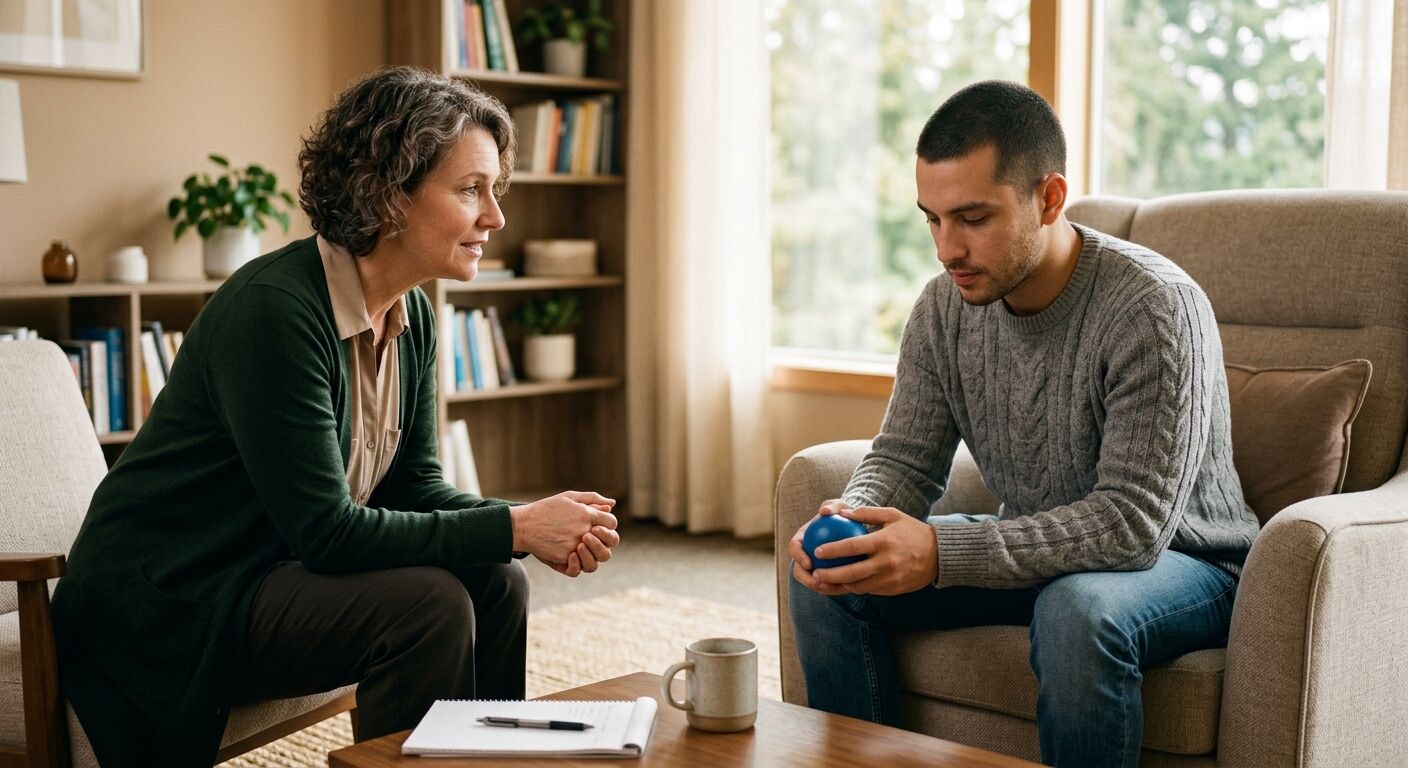
6. Cognitive Behavioral Therapy (CBT) and Exposure Therapy
When it comes to treating phobias, Cognitive Behavioral Therapy (CBT) is widely regarded as one of the most effective approaches. CBT is a structured, skill-based therapy that helps individuals understand the intricate connection between their thoughts, feelings, and behaviors. For phobias, CBT primarily focuses on identifying and challenging the irrational thought patterns that fuel anxiety and fear, replacing them with more balanced and realistic perspectives. This process, known as cognitive restructuring, empowers individuals to view and cope with feared objects or situations differently.
A core component of CBT for phobias is exposure therapy, which is often considered the most effective standalone treatment. Exposure therapy is designed to help people confront their fears in a safe and controlled environment, gradually changing their response to the object or situation they dread. The underlying principle is that by repeatedly facing the feared stimulus, the brain learns that the perceived danger is not real, and the fear response eventually diminishes. Avoidance, while providing short-term relief, actually reinforces the phobia, making exposure therapy crucial for breaking this cycle.
Exposure therapy typically follows a graded approach, also known as systematic desensitization. With the guidance of a therapist, individuals construct a "fear hierarchy," ranking feared objects or situations from least to most troubling. Therapy then begins with mild exposures and progressively moves towards harder ones. For example, someone with a fear of elevators might start by thinking about elevators, then looking at pictures, then standing near one, then taking a short ride, and eventually riding in a crowded elevator. This gradual process allows individuals to build resilience and tolerance to anxiety-inducing triggers, fostering a sense of mastery and control.
Another technique within exposure therapy is "flooding," which involves immediate and intense exposure to the phobia trigger. While this can be effective, it is generally used with caution and under strict professional guidance due to its intense nature. Most clinicians today prefer gradual approaches because they are better tolerated and equally effective for phobia treatment. Regardless of the specific method, the goal of exposure therapy is to "rewire" the brain's fear response, helping individuals learn that their anxiety decreases with time and repetition, ultimately leading to reduced avoidance behaviors and increased confidence. CBT, particularly when combined with exposure therapy, helps individuals create a sense of mastery and confidence over their thoughts and feelings, rather than feeling overcome by them.
7. Medication Options for Phobias
While psychological therapies like CBT and exposure therapy are generally considered the first-line and most effective treatments for phobias, medication can play a supportive role in managing symptoms, especially for severe anxiety that significantly interferes with daily life. Medication is typically prescribed on a short-term basis or in conjunction with therapy to help reduce the intensity of anxiety and allow individuals to better engage with therapeutic interventions.
Several types of medications are commonly used, primarily those that target anxiety and depression symptoms. Antidepressants, particularly Selective Serotonin Reuptake Inhibitors (SSRIs), are often prescribed for general anxiety and phobias, including social phobia. These medications work by increasing serotonin levels in the brain, which can improve mood and reduce anxiety. Examples include paroxetine, citalopram, escitalopram, and sertraline. It's important to note that SSRIs can take several weeks to reach their full effect, and side effects like nausea, headaches, or sleep problems may occur initially.
Another class of medications sometimes used for short-term relief of severe anxiety symptoms are benzodiazepines, often referred to as tranquillizers. These medications, such as diazepam (Valium) or alprazolam (Xanax), have a calming effect on the nervous system, providing immediate relief from anxiety and panic symptoms. However, benzodiazepines are used with caution and typically at the lowest possible doses due to their potential for dependence and withdrawal symptoms. They should be discontinued gradually under medical supervision and are generally not recommended for individuals with a history of alcohol or drug dependence.
Beta-blockers, such as metoprolol, are another option, particularly for social phobias or specific anxieties like public speaking, as they help to reduce the physical symptoms of anxiety like shaking, palpitations, and sweating, without causing the sedative effects of other anti-anxiety medications. Other medications like venlafaxine (an SNRI) and gabapentin may also be considered, depending on individual circumstances. Your healthcare provider is the best person to discuss which medication options are suitable for you, explaining potential side effects, complications, and necessary precautions.
8. Self-Help Strategies and Lifestyle Changes
Beyond professional therapy, there are many practical self-help strategies and lifestyle adjustments that can significantly aid in managing phobias and improving overall emotional well-being. These techniques empower you to take an active role in your recovery journey, building resilience and coping skills over time. Consistency and patience are key to seeing positive results.
One of the most effective self-help techniques involves a gradual, systematic approach to exposure, similar to what's done in therapy but often on a smaller, self-directed scale. This means slowly exposing yourself to your fears in manageable doses. For example, if you have a fear of dogs, you might start by looking at pictures, then watching videos, then observing dogs from a distance, before eventually moving to closer interactions. This progressive exposure helps to "unlearn" the fear response and build confidence.
Lifestyle changes also play a crucial role in supporting mental health and reducing anxiety related to phobias. These include:
- Staying physically active and exercising regularly. Physical activity is an underrated tool for managing mental health, as it reduces overall anxiety levels and helps the body process stress hormones more efficiently.
- Eating a healthy and balanced diet.
- Ensuring you get enough sleep.
- Avoiding excessive alcohol and non-medical use of drugs, as these can exacerbate anxiety.
- Practicing stress management techniques in daily life.
Additionally, challenging negative thought patterns is a powerful self-help tool. Phobias often thrive on irrational or catastrophic thinking. By learning to identify and question these thoughts, you can begin to reframe your perspective. Ask yourself if the thought is truly realistic or if there's an alternative, more balanced way of viewing the situation. This cognitive restructuring can help diminish the power your fears hold over you.
Finally, integrating simple relaxation techniques into your daily routine can help manage the physical symptoms of anxiety. Deep breathing exercises, progressive muscle relaxation, and yoga can activate your body's natural calming response, helping to reduce heart rate and shallow breathing that often accompany fear. Consistent practice of these techniques can equip you with tools to cope when panic starts to creep in, making the journey towards overcoming your phobia more manageable.
9. Building a Support System
Navigating a phobia can feel incredibly isolating, but building a strong support system is a powerful step toward recovery and improved emotional well-being. Knowing you have people who understand, empathize, and encourage you can make a significant difference in how you cope with and ultimately overcome your fears. Remember, you don't have to face this journey alone.
One of the most valuable forms of support can come from self-help or support groups. These groups bring together individuals with lived experience of phobias, creating a safe space to talk openly, share experiences, and learn from one another without judgment. Hearing from peers can reduce feelings of shame and isolation, provide perspective, and offer practical coping techniques that have worked for others. Many communities offer local support groups, and there are also numerous online forums and chat rooms that provide a sense of community and understanding.
It's also crucial to talk to someone you trust about your phobia, whether it's a family member, a close friend, or a mentor. Sharing your experiences can help them understand what you're going through, fostering empathy and enabling them to offer appropriate support. Explaining the impact of your phobia on your daily life can help them realize that it's more than just a "nervous habit" and is a genuine challenge. This open communication can prevent misunderstandings and strengthen your relationships, rather than letting the phobia create strain.
However, it's important to communicate clearly about how your loved ones can best support you. Sometimes, well-meaning friends or family might become overly protective or inadvertently enable avoidance behaviors. Encourage them to participate in your recovery by understanding your treatment plan and gently supporting your efforts to face your fears, rather than reinforcing avoidance. This collaborative approach can ensure that your support system is truly empowering.
Finally, remember that professional treatment can also offer a vital support system. A mental health professional, whether a therapist or counselor, provides expert guidance, understanding, and a structured path to recovery. They are trained to help you manage your phobia effectively so you don't feel imprisoned by your fears. Combining peer support with professional guidance can create a comprehensive network that addresses both the emotional and practical aspects of living with and overcoming a phobia.
10. Mindfulness and Relaxation Techniques
Integrating mindfulness and relaxation techniques into your daily routine can be incredibly beneficial for managing phobias and reducing overall anxiety. These practices help you stay grounded in the present moment, observe anxious thoughts without getting overwhelmed, and activate your body's natural calming responses. They don't necessarily eliminate fear, but they change your relationship with it, making it feel less controlling.
Mindfulness involves focusing on the "here and now," rather than getting caught up in catastrophic thoughts about future scenarios. It teaches you to observe your anxious thoughts and physical sensations without judgment, acknowledging them as temporary experiences rather than immediate threats. Regular mindfulness meditation can actually alter brain structure in areas associated with fear and emotional regulation, leading to lasting changes in how you process and respond to phobic stimuli. This practice helps build distress tolerance, making it easier to sit with discomfort, which is crucial for therapies like exposure therapy to be effective.
Some key components of mindfulness for phobias include:
- Present-Moment Awareness: Training your attention to return to the present moment when anxiety pulls you into future-focused fears.
- Non-Judgmental Observation: Acknowledging fear without labeling it as good or bad, which reduces the secondary anxiety often associated with phobias.
- Acceptance: Embracing uncomfortable sensations as temporary experiences rather than threats that must be avoided.
- Mindful observation of fear: Naming what you notice ("there's a tight feeling in my chest," "there's a thought that something bad will happen") to create distance from the fear response.
In conjunction with mindfulness, relaxation techniques are powerful tools to cope with the physical symptoms of anxiety and stress. These techniques can be used proactively to reduce overall stress levels and reactively when a phobia is triggered. When fear strikes, your heart rate spikes and breathing often becomes shallow. By practicing controlled breathing, you can activate your body's calming response.
Effective relaxation techniques include:
- Deep Breathing: Focusing on slow, deliberate breaths can help regulate your nervous system.
- Progressive Muscle Relaxation: Tensing and then relaxing different muscle groups throughout your body to release tension.
- Guided Imagery: Using mental images to create a sense of calm and escape.
- Yoga: Combining physical postures, breathing exercises, and meditation to promote relaxation and mental clarity.
Practicing these skills regularly, even when not experiencing phobia-related anxiety, can build your capacity to manage distress when it arises. Many therapists incorporate these techniques into sessions, encouraging clients to practice them between appointments to manage everyday triggers and stressors, thereby building confidence over time. The combination of mindfulness and relaxation offers a holistic approach, empowering you to better manage your emotions and physical reactions to your phobia.

11. Overcoming Phobias: A Journey to Recovery
Overcoming a phobia is a journey, not a destination, and it often involves commitment, patience, and a willingness to step outside your comfort zone. While the idea of facing your deepest fears can seem daunting, remember that millions of people successfully manage and overcome their phobias every year, reclaiming their lives and finding greater freedom. The goal isn't necessarily to eliminate all fear – a healthy respect for certain situations is natural – but to reduce the excessive, irrational fear that controls your life.
The most effective path to recovery typically involves a combination of professional therapy, self-help strategies, and lifestyle adjustments. Cognitive Behavioral Therapy (CBT) and its cornerstone, exposure therapy, are highly recommended as first-line treatments. These therapies help you gradually confront what you fear, challenging negative thought patterns and "rewiring" your brain's fear response in a safe and controlled environment. It's about learning that you are capable of confronting your fears and managing your anxiety.
A crucial aspect of recovery is understanding that progress might not be linear. There may be good days and challenging days, and that's perfectly normal. The key is to celebrate small victories, remain persistent, and not get discouraged by setbacks. Each time you successfully manage a fearful situation, even a small one, you're building confidence and reinforcing new, healthier responses. Regular practice of techniques learned in therapy, such as exposure exercises and relaxation methods, is vital for long-term success.
Support from loved ones and peer groups can also significantly impact your recovery journey. Sharing your experiences and feelings with others who understand can reduce isolation and provide invaluable encouragement. Furthermore, maintaining a healthy lifestyle – including regular exercise, a balanced diet, adequate sleep, and avoiding substances that exacerbate anxiety – will strengthen your overall mental and physical resilience, making it easier to cope with the challenges of recovery.
Ultimately, overcoming a phobia is about improving your quality of life so that you are no longer limited by your fears. It's about empowering yourself to engage with the world more fully, pursuing opportunities, and enjoying relationships that might have previously been restricted. With the right tools, consistent effort, and a compassionate approach to yourself, you can learn to better manage your responses, thoughts, and feelings, allowing your anxiety and fear to lessen and no longer control your life. improved emotional well-being.

12. Resources for Support and Further Reading
Embarking on the journey to manage and overcome phobias is a courageous step, and thankfully, there are many resources available to support you. Whether you're seeking professional guidance, peer support, or self-help materials, connecting with the right resources can make a profound difference in your recovery.
Professional Support:
- Mental Health Professionals: Licensed therapists, psychologists, and psychiatrists specialize in anxiety disorders, including phobias. They can provide accurate diagnoses and tailor treatment plans, often utilizing CBT and exposure therapy. You can find qualified professionals through your healthcare provider, local mental health clinics, or reputable online directories.
- Anxiety and Depression Association of America (ADAA): Offers resources, find-a-therapist tools, and information on various anxiety disorders.
- The Social Anxiety Institute: Specializes in helping people overcome social anxiety disorder, offering therapy programs and articles.
Support Groups and Communities:
- Online and In-Person Support Groups: Joining a self-help or support group allows you to connect with others who understand what you're going through, reducing feelings of isolation and offering practical advice. Websites like ShareWell and Meetup often list local and online phobia support groups. HealthfulChat also provides phobia chat rooms and forums for peer support.
- Mental Health America (MHA): Provides information and advocacy for those living with mental health conditions, including anxiety disorders.
Self-Help Resources and Educational Materials:
- Books and Workbooks: Many self-help books and workbooks are available that provide structured exercises based on CBT and mindfulness principles for phobia management.
- Mindfulness and Meditation Apps: Apps like Headspace or Calm offer guided meditations and exercises that can help you practice present-moment awareness and relaxation techniques, which are beneficial for managing anxiety.
- Educational Websites: Reputable health organizations like the Mayo Clinic, Cleveland Clinic, Johns Hopkins Medicine, and Harvard Health offer comprehensive information on phobias, their symptoms, and treatment options.
- Your Healthcare Provider: Always a good first point of contact for recommendations on local services, specialists, and medical advice related to phobias.
Remember to be mindful when searching for information online. While many resources are helpful, some content may be triggering or unreliable. Prioritize sources that are evidence-based and recommended by healthcare professionals. Building a comprehensive toolkit of support and knowledge will empower you as you continue on your path to recovery and improved emotional well-being.
FAQ
Q1: What exactly is the difference between a fear and a phobia? A1: Fear is a natural human emotion that serves as a protective mechanism against real danger. A phobia, however, is an intense, irrational, and persistent fear of an object or situation that poses little or no real danger. Phobias are characterized by their excessive nature, the significant distress they cause, and the extreme lengths people go to avoid the trigger, often disrupting daily life.
Q2: Can phobias be completely cured? A2: While the term "cure" can be complex, phobias are highly treatable, and many people learn to effectively manage or completely overcome their fears, significantly improving their quality of life. The goal of treatment is often to reduce anxiety and fear to a manageable level so they no longer control your life.
Q3: What are the most effective treatments for phobias? A3: The most effective treatments are generally forms of psychotherapy, particularly Cognitive Behavioral Therapy (CBT) and Exposure Therapy. Exposure therapy, which involves gradual and repeated exposure to the feared object or situation in a safe environment, is widely considered the gold standard.
Q4: How long does it take to overcome a phobia? A4: The duration of treatment varies depending on the individual, the type and severity of the phobia, and the chosen treatment approach. Some people see significant improvement in a few sessions, especially with intensive exposure therapy, while others may require longer-term therapy. Consistency in applying learned strategies is key.
Q5: Can medication help with phobias? A5: Yes, in some cases, medication can be prescribed alongside therapy to help manage severe anxiety symptoms associated with phobias. Antidepressants (SSRIs) and anti-anxiety medications (benzodiazepines) are commonly used, often on a short-term basis, to provide relief and help individuals engage more effectively in therapy.
Q6: Are there self-help strategies I can try? A6: Absolutely! Self-help strategies include gradual exposure to your fears, practicing relaxation techniques like deep breathing and progressive muscle relaxation, engaging in regular physical activity, and challenging negative thought patterns. Building a strong support system and practicing mindfulness are also very beneficial.
Q7: What is agoraphobia? A7: Agoraphobia is a fear of situations or places from which escape might be difficult or embarrassing, or where help might not be available if panic symptoms occur. This can include open spaces, crowded areas, public transportation, or being alone outside the home, and in severe cases, it can lead to people being afraid to leave their house.
Key Takeaways
- Phobias are intense, irrational, and persistent fears that significantly disrupt daily life, distinguishing them from ordinary fears. They are a type of anxiety disorder and are highly treatable.
- Phobias can cause overwhelming physical symptoms like rapid heartbeat, sweating, and shortness of breath, as well as emotional distress, shame, and a strong desire to avoid triggers.
- Common types include specific phobias (e.g., fear of spiders, heights), social phobia (fear of social situations), and agoraphobia (fear of situations where escape is difficult).
- The impact of phobias can be far-reaching, affecting work, school, social relationships, and overall emotional well-being, often leading to isolation and avoidance behaviors.
- Professional help, particularly Cognitive Behavioral Therapy (CBT) and Exposure Therapy, is the most effective treatment for phobias. These therapies help you gradually confront fears and change your response to them.
- Medication, such as antidepressants or anti-anxiety drugs, can be used to manage severe symptoms in conjunction with therapy, providing short-term relief.
- Self-help strategies, including gradual exposure, relaxation techniques (deep breathing, progressive muscle relaxation), regular exercise, and challenging negative thoughts, are crucial for personal recovery.
- Building a strong support system through trusted friends, family, and peer support groups can provide encouragement, reduce isolation, and offer practical advice.
- Mindfulness practices help you stay grounded, observe anxious thoughts non-judgmentally, and build resilience to discomfort, complementing therapeutic approaches.
- Recovery is a journey of persistence and self-compassion, leading to a life no longer limited by irrational fears and improved emotional well-being.





Welcome to our Mental Health Social Network, a safe, supportive, and inclusive community dedicated to mental wellness, emotional wellbeing, and personal growth. Connect with people who understand your experiences, share your journey, and find encouragement from members who care.
Whether you're looking for support with anxiety, depression, stress, ADHD, PTSD, or simply seeking a positive space to discuss mental health, you'll find a welcoming community here. Join conversations, share stories, ask questions, discover helpful resources, and build meaningful connections with others on similar paths.
- Mental Health Awareness
- General Anxiety
- Phobias
- Agoraphobia
- Depression Support
- Seasonal Affective Disorder (SAD)
- Bipolar Disorder
- Recovery Stories
- Stress Management
- Emotional Abuse Recovery
- Childhood Trauma
- PTSD Support
- Trauma Recovery
- Autism Spectrum Discussions
- ADHD Support
- Dyspraxia
- Dyslexia
- Addiction Recovery
- Alcohol Recovery
- Drug Recovery
- Emotional Wellbeing
- Gambling Recovery
- General Mental Health
- Separation Anxiety
- Sleep Disorders
- Eating Disorders
- Mens Wellbeing
- Womens Wellbeing
- Teen Mental Health
- Workplace Mental Health
- Chronic Illness Support
 Romaian
 English
 Arabic
 French
 Spanish
 Portuguese
 Deutsch
 Turkish
 Dutch
Dutch
 Italiano
 Russian
 Portuguese (Brazil)
 Greek
Greek